Category Archives: Photos

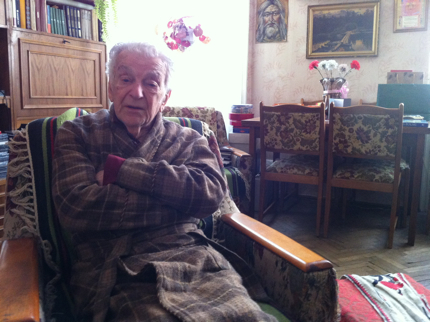
Happy Birthday, Alfred Schreyer!

This is Alfred Schreyer, born on 08.05.1922 in Drohobycz. Alfred Schreyer, who lost both his parents – his father was a chemist, his mother a pharmacist – to the Nazis and was himself at the camps Plaszów, Groß-Rosen and Buchenwald, is the only Jewish survivor still in Drohobycz who lived there during the occupation.
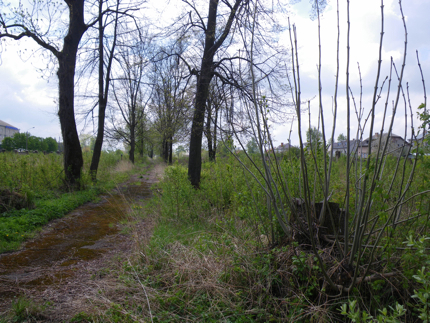
Most of the Jews from Drohobycz were murdered in the extermination camp Belzec, as Alfred Schreyer’s father, his uncle, his grandmother and an aunt. But 11,000 of them, among of them his mother, were also shot in the forest of Bronica, outside of town on the road to Sambor.
Drohobycz is a small town in the Austro-Hungarian province of Galicia. Located in the N.E. Carpathian foothills in the east Galician oil region, economically and culturally diversified, Drohobycz was one of the most significant centers of Jewish culture in Europe preceding WW2. And now?
Alfred Schreyer was a student of Bruno Schulz, the world-renowned writer and painter and a Polish Jew, who experienced the terror of German occupation in the Galician city of Drohobycz in 1941-42. He initially survived by painting murals for the children of the SS officer Felix Landau, on the nursery walls of the villa they had occupied. Bruno Schulz was shot and killed by the SS on November 19, 1942. Despite an intensive search after WWII, his murals were not found until February 9, 2001, when the documentary filmmaker Benjamin Geissler discovered the long lost pictures. In May 2001, representatives of Jerusalem’s Yad Vashem Holocaust Memorial removed fragments of these murals from Ukraine, sparking an international controversy.
On November 19, 1942, the great Polish author Bruno Schulz left his home in the Jewish ghetto of Drohobycz – according to the generally accepted version of the story, he had gone to fetch a ration of bread – and was shot to death by a German SS officer. The author of two critically acclaimed short-story collections and a graphic artist of growing renown, Schulz had survived the Nazi occupation as long as he did under the protection of Felix Landau, a vicious Gestapo officer who fancied himself a patron of the arts…Click here to read the full thrilling story, edited by Benjamin Paloff for the Boston Review!
Im Gespräch: Alfred Schreyer. Wie haben Sie den Krieg überlebt, Herr Schreyer? Sobald das Scheinwerferlicht angeht, vergisst Alfred Schreyer sein Alter. Fast sein gesamtes Leben hat der achtundachtzigjährige Opernsänger an ein- und demselben Ort verbracht – und dabei in fünf Staaten gelebt….Click here for the outstanding interview with Alfred Schreyer, conducted by Helga Hirsch for the FAZ!

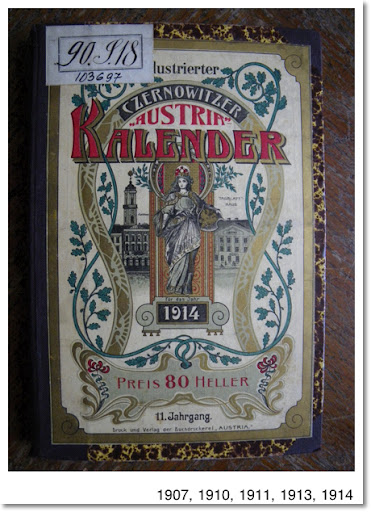
The”Austria”of Czernowitz

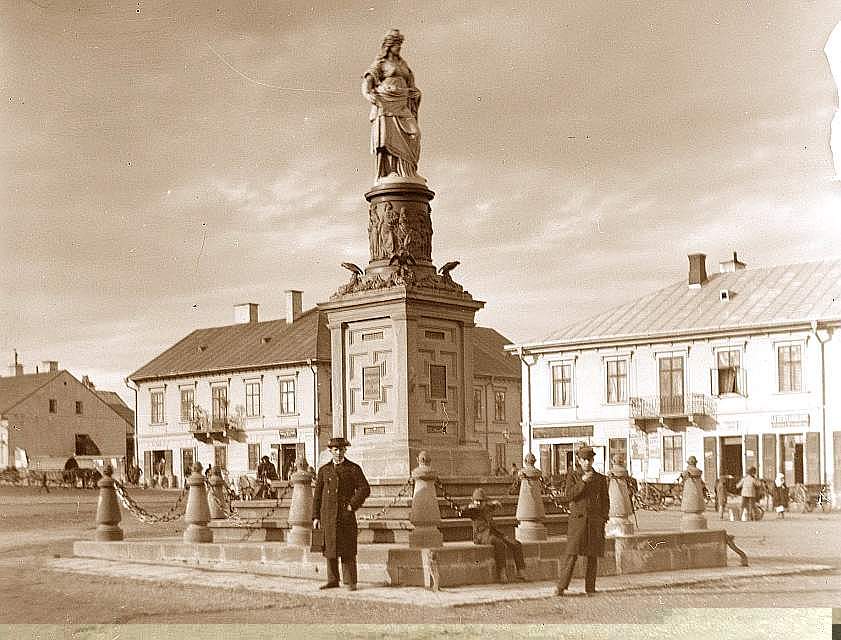
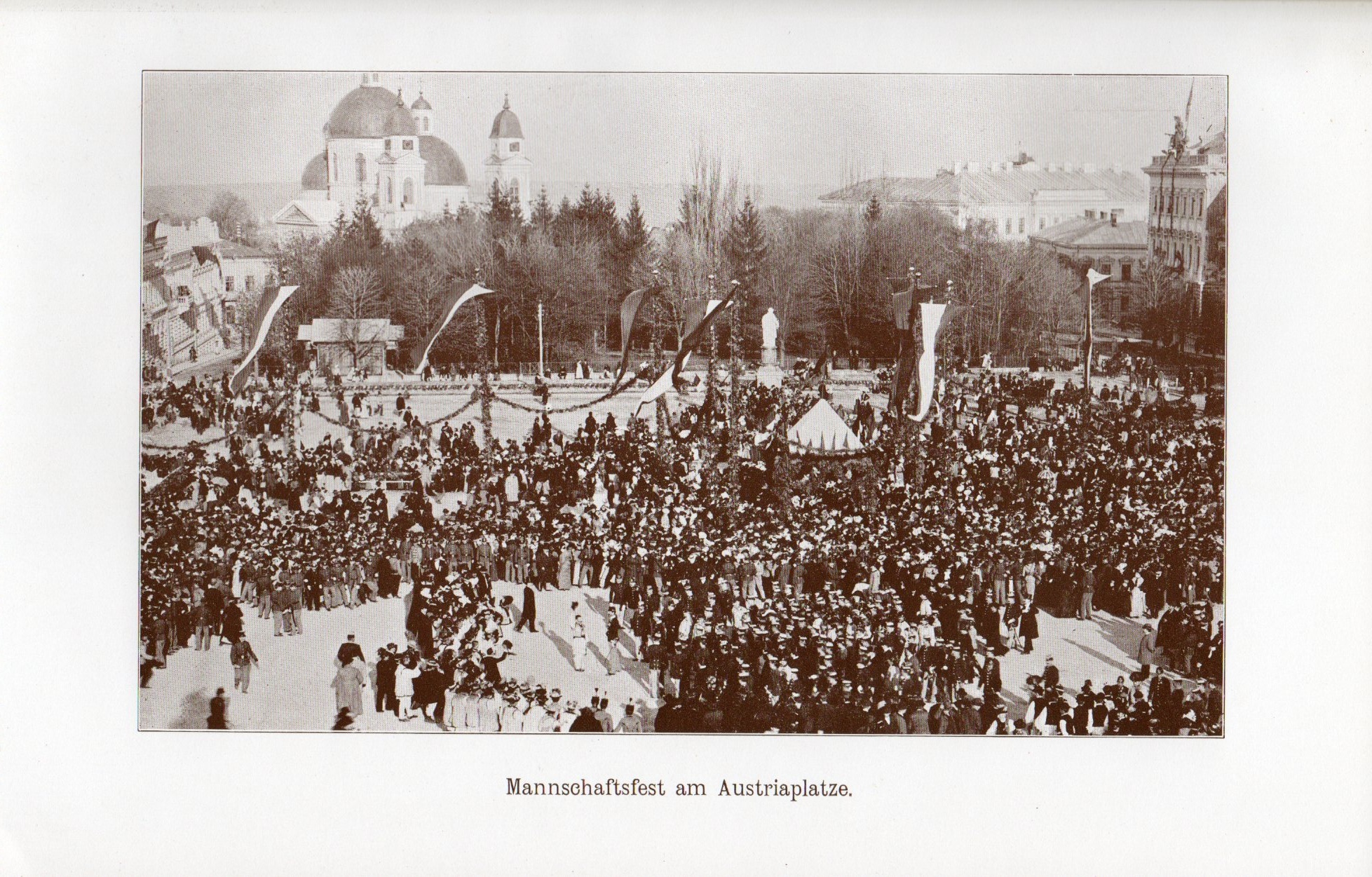
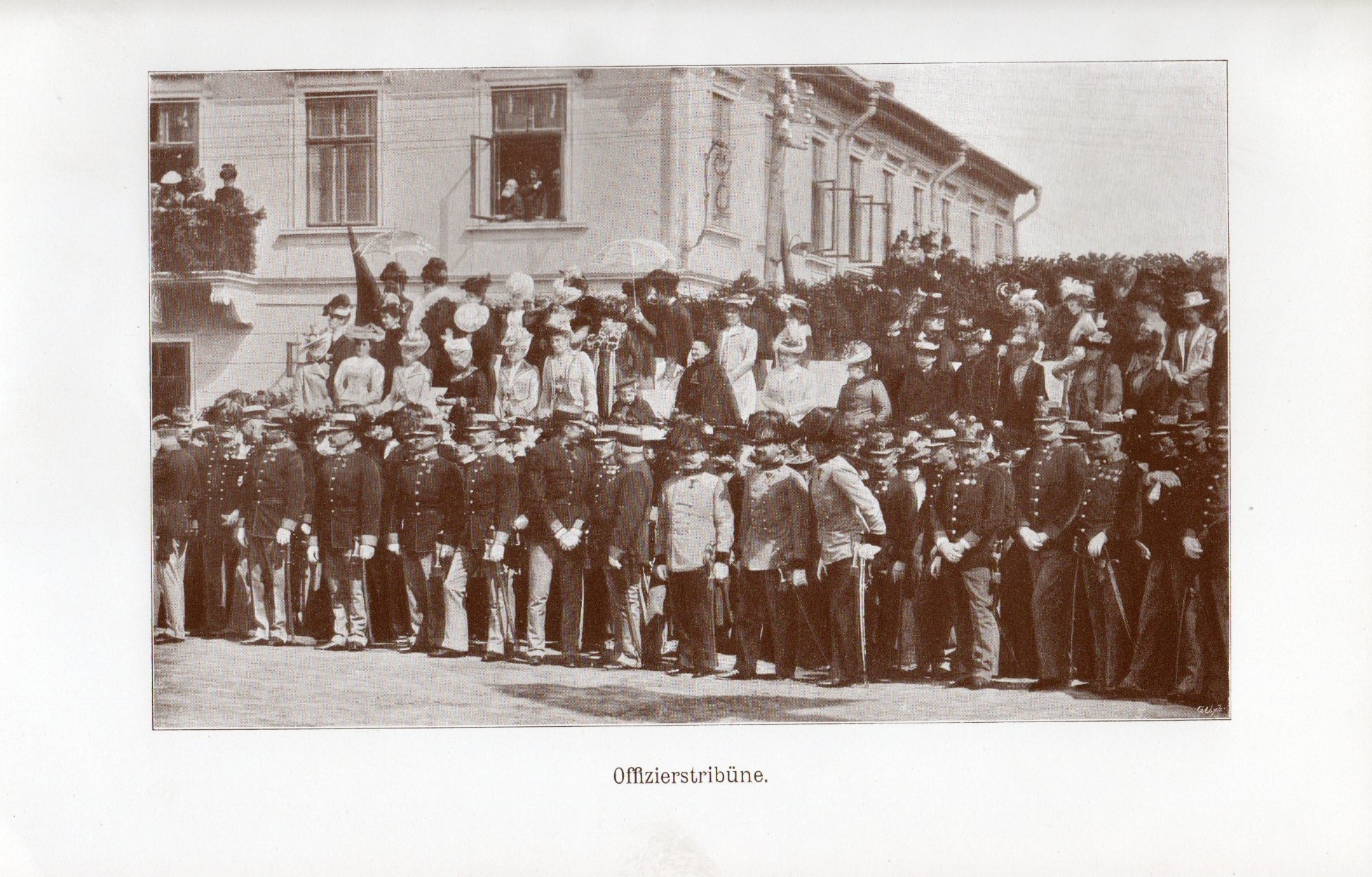
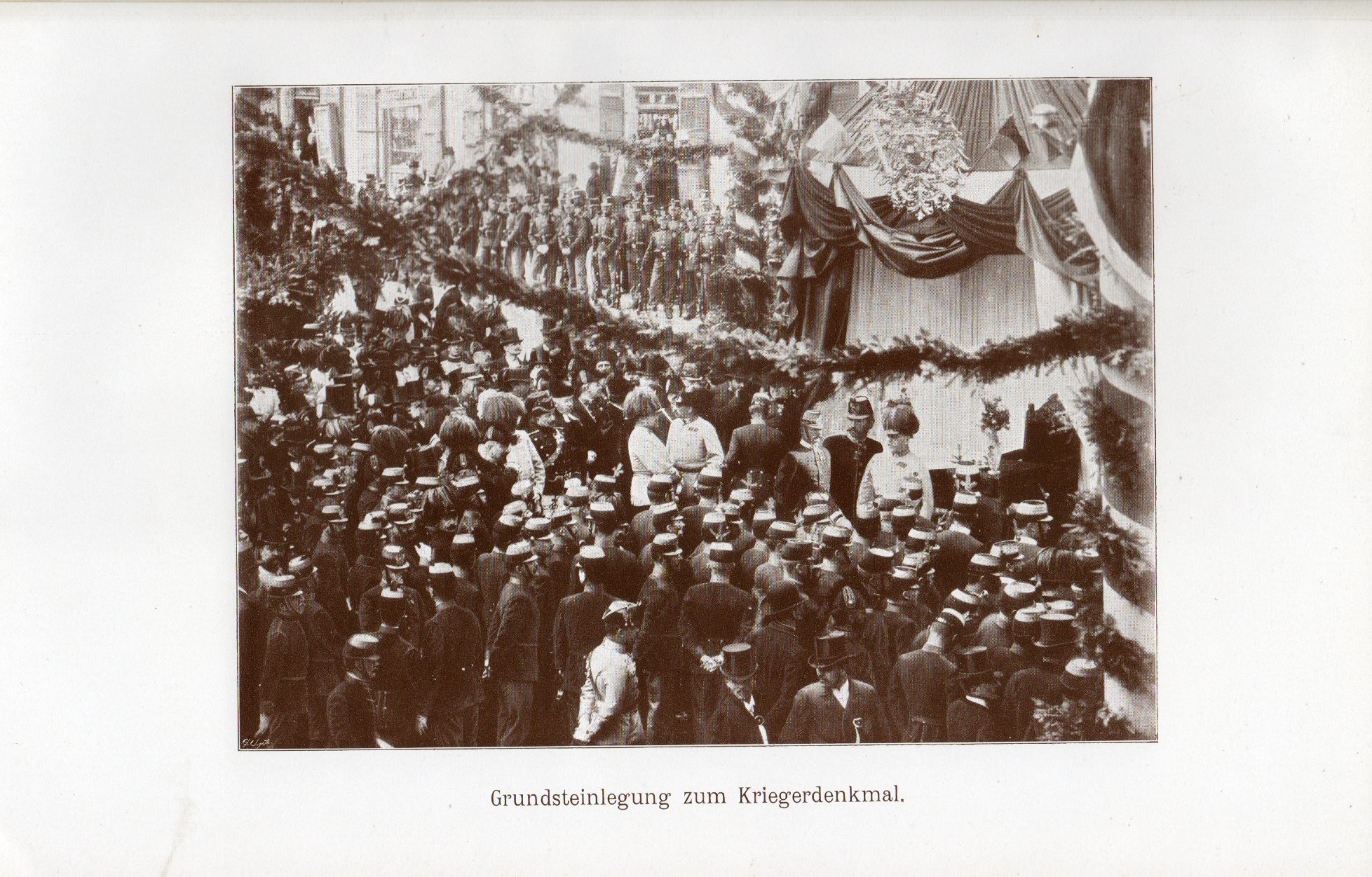
The “Austria” of Czernowitz, made by Karl Peckary (1848 – 1896),  a young professor at the Czernowitz State Industrial School, has been exposed on the 4th October 1875 on the occasion of the centenary celebration of the affiliation of Bukovina to the Austrian Empire and the foundation of the k. k. Franz-Josef-University. Peter Elbau has designed a superb website covering this extraordinary event for Czernowitz and the Bukovina.
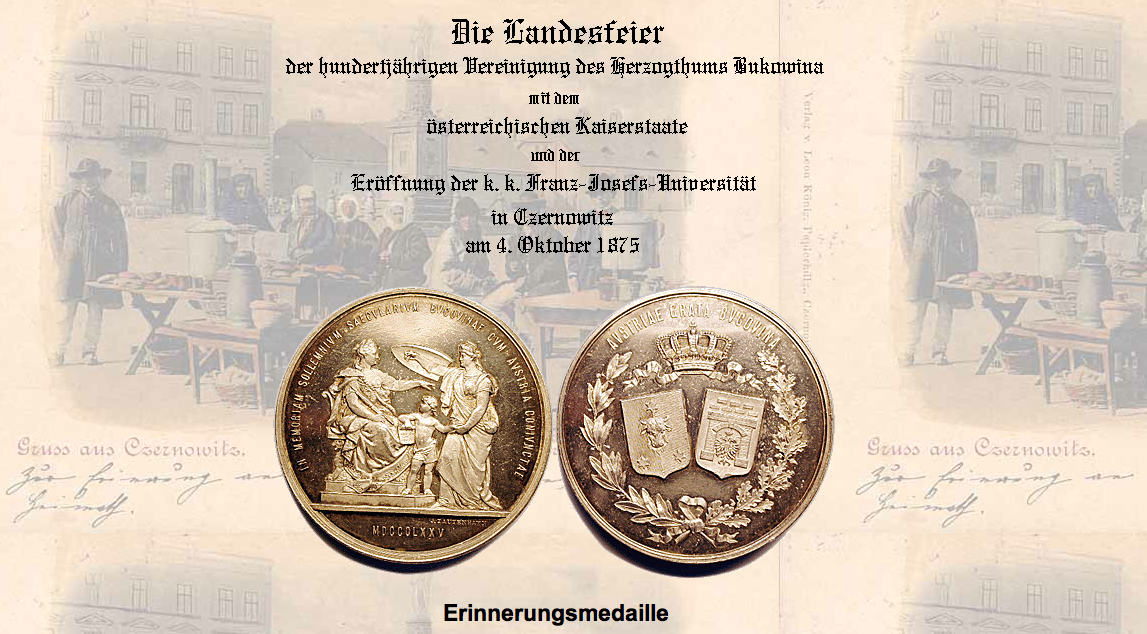
In the year 1918 the new Romanian authorities removed the statue and  for nearly one hundred years it got lost. But in 2003, during canalization works below ground level of the former Industrial Museum, the beheaded “Austria” was brought into the light of the day.

The newly discovered “Austria” became a symbol for the friendship between Ukraine, Austria and Western Europe. Ten copies of the statue were manufactured and ceded to international artists for creative adaptation of the “Austria”, one of them being Bronislav Tutelman from Czernowitz.

During the year 2006 ten “Austria” replicas went on a journey through Europe and finally found their way back to Czernowitz, taking residence in the Yuriy Fedkovych Chernivtsi National University.

Abbé LibanskyBernadette Huber

Rosa El Hassan & Anna CsörgöBronislav Tutelman

Ilona NémethKarolina Kowalska

Matej Gavula & Milan Tittel

Anna Sidorenko

http://peter-diem.at/Chernivtsi/allegorie_at.htm

http://bukowina.info/Jubilaeum.html

http://czernowitzgallery.blogspot.com/