
Author Archives: Edgar Hauster
In Raquel’s Footsteps
In Raquel’s Footsteps – Indiegogo Campaign Video from Gabriela Bohm on Vimeo.
Gabriela Böhm is a documentary filmmaker and founder of Böhm Productions. She has produced/directed several award winning films. The Longing: The Forgotten Jews of South America was honored as Best Documentary (Long Island Latino International Film Festival) Best Latino Film (Santa Fe Film Festival) and received a Telly Award. Passages won Best Documentary (Woodstock Film Festival) and Jury Award (Tambay Film Festival). A native of Argentina, Böhm studied art and photography in Israel prior to receiving a BFA at NYU Tisch School of the Arts and MFA at Maine Media College.
Gabriele is currently in post-production on “In Raquel’s Footsteps”, about a victim of sex trafficking in South America in the early 20th century — Raquel Liberman. The film traces Raquel’s journey from wife and mother to exploited woman to — in the end — a defiantly free human being. From shtetl to tango, more than 30,000 Jewish women were lured from Europe to the New World, only to be devoured in Argentinean prostitution rings run by Jewish criminals. Raquel’s journey — from naif to defiled to defiant — gives voice to women who have been and continue to be sexually exploited.
Help make it happen for the team! Contribute to In Raquel’s Footsteps.
“In the Bukowina” with James Baker a Century Ago

Chapter X
In the Bukowina
How slightly many parts of Austria are known in England was illustrated by a conversation with the well-known historian, Professor Oman, who, on hearing I was about to travel in the Bukowina, said, “I only know one Englishman who has ever been in the Bukowina, and if you get there you will be the second.” I sent him a post-card from Zadagora, to prove I had “got there”. And yet the Bukowina is a peculiarly interesting corner of Europe.
Here are clustered together Poles, Ruthenians, Roumanians, Germans, Magyars, Jews, Armenians, Bulgarians, Cechs, Lipowaners (i. e. old faith Russians), Turks, Gypsies; and the variety of religions is a strange study. Greek Orthodox and Greek Catholic, Roman Catholic and Armenian Catholic, Armenian Orthodox, Old Believers (the Lipowaners), Protestants; even the Jews have two sects, orthodox and reform. The wealth of the Greek Oriental body is very great – it possesses in territory a third of the province, largely forest land. The dress of this population is as varied and interesting as their religions. And Czernowitz, the capital, is an epitome in strangely varied scenes of this independent Crown land of Austria, that has its own “Landtag” or local parliament.
The Bukowina as also its own weather, and that is excessively independent. During the remarkable drought in the summer of 1911, which affected other parts of Austria, here there were floods and torrents of rail for two months.
In September we visited it, and as we neared Czernowitz we saw the quaint figures of the peasants guarding their flocks under umbrellas, and everything was sodden. In the city, in the Austrian Platz, the principle square and market place, the women peasants in their white cloth oriental head-dress and long brown coats, beneath which hung the long white shirt over the bare legs, bore umbrellas; and the men, some in curious little round Garibaldi hats over their long wavy hair, wore the long brown skin coats, with many buttons, and grey-white breeches, decorated with needlework. But the peasants’ dress varies according to race, and is of great variety.
The city has very many fine buildings; the race rivalry here, as everywhere in Austria, is a spur to perfection, and an interesting way to study the variety of the educated classes of the district is to visit the “Houses”, i. e. clubs of the different nationalities.
In the Polish house is a fine hall for dances, and a theatre, the wood-work being all carved in the Zakopane style; the drop scene is a picture of the Tatra district, with a figure of a guide in that local dress. Here educational work, and the ever present “Sokol”, is carried on as in all Slav districts.
Just opposite is the German national house, a remarkably fine building, the courtyard being like a bit of old Nuremberg. Here too is a fine theatre with rather heavy decorations, and an excellent restaurant in old German style.
In the Roumanian’s house one gets the quaint Roumanian music, and there is a large garden; but to show there is friendliness between the races, as we entered, being with some well-known Poles, Polish airs were at once played by the excellent orchestra. In the Jewish house was a very big hall with gold and red decorations. It is in these houses, or national homes, the national character is sustained, and retained. The Ruthenians also have their special house.
Perhaps the churches, the religious establishments and benevolent institutions should claim the first word in Czernowitz, for they are innumerable and wonderfully varied; every creed seems to have its hospitals and homes.
The wealth of the Greek orthodox body is well illustrated by the vast palace of the archbishop, a building with its many domes and towers and gables, that serves too as a seminary and meeting-place of the Synod, and rarely could a more imposing and richly decorated hall be found than that of the great hall where the Synod meets. Its marble arches and arcades on black marble columns, supporting a deeply coffered, richly decorated ceiling. The walls are of alabaster. From the windows are lovely views of the palace gardens and the valley of the Pruth.
Churches of the various sects, and the rich new synagogue are all worthy of study for their architecture and for the folk and peasantry that frequent them, as all are very fervid in their religion. But if religious edifices are numerous so also are the civil buildings. The home of the Landesregierung is a handsome simple building with gardens before it, the Palais de Justice is also a fine building.
One of the most striking modern buildings is the new Savings Bank, built in the latest Secession style, and elaborately fitted up with most modern sanitation, ladies and gentlemen’s waiting and toilette rooms. The council room is upholstered in soft crushed strawberry hues, with inlaid woods and elaborate electric light fittings. Even the door locks are in gilt and in lovely designs. The handsome main stairway has stained-glass windows and elaborate lamps on the pillars in brass and coloured metal. The great hall for general meetings is beautifully decorated, and even the chairs are most artistic. The whole gives an idea of the thrift of the peasantry who get 4 per cent. for their cash, and are charged 6 per cent. for loans. It is considered an honour to be on the council of this bank.
The Chamber of Commerce is another splendid building; the meeting hall is in grey and red tones, with a rich ceiling and handsome electroliers; the chimneys are of red marble and glass mosaics, and brass with inlet enamels form part of the decorations. Well-executed frescoes of agriculture, industry, and Mercury illustrate the object of the Chamber, which has widespread correspondence, and works scientifically, developing local commerce and agriculture. It is certainly housed more luxuriously, and holds far more classified information than most English Chambers of Commerce.
We were fortunate in our introductions in Czernowitz, and our kindly host, in this artistically furnished home, gave us a glimpse of the cultured professional home and business life of Czernowitz.
Music one finds everywhere in Austria, and here, as so often elsewhere, our hostess was a lover of art and music, and a connoiseur in housekeeping and cooking; one of her hobbies was the collecting of old brass-work of Jewish homes and ceremonial, and a remarkable collection she has acquired. Her daughter spoke English well, and we here had an illustration of character, for, at the end of a delightful lunch, our artist friend suddenly exclaimed to his fair neighbour: “Oh! I’ve let my mackintosh in that village, on the ground. I was sitting on it.” We had left him sketching near Sadagora, four miles off, so, instead of driving with us to Ludi Horecza, he had to get out to Sadagora, where he found his mackintosh hanging up on a tree that he might see it; and a tiny mite being near, he gave it some coppers. With these the child ran back to its parents, and then there was a talk and a struggle; and at last the small mite came timidly back, took the artist’s hand and kissed it. This is the type of life amidst which we are asked if it is safe to travel.
The little town of Sadagora is a remarkable one, reminding one still in its Eastern bazaar-like streets, rough mighty cobble stones and mud, of Turkish or Russian rule. We cross the Pruth to reach it, and pass numerous settlements of Bulgarians, who have captured the market-gardening of the district. It happened to be a fair day, and crowds of cattle, especially horses, were on the road, and many peasants picturesquely dressed. The women in the market-place were rich in colour, and nearly all had slung over their shoulders their bags in many colours of needlework harmonising with the white embroidered shirts and many-coloured heavy aprons.
The great marvel of Sadagora is the synagogue and palace, where lives and works the Wonder Rabbi Friedmann, to whom come pious or benefit-seeking Jews form all parts of Europe.
We went over the synagogue, and were met by a cluster of old Jews in their long robes and curls, and they opened the Tara Rolls for our inspection, and showed us the rich satin hangings, and then as a great favour we were shown (for a consideration) the private room of the Wonder Rabbi, with a little peep-hole through which he may see, though himself unseen. He rarely shows himself, but accepts offerings, and gives his blessing and prayers. In this room was a rich hanging of about seventeenth-century Spanish needle-work for the Rolls, to be used at Pentecost; we were told it cost 70,000 roubles and was given by a devotée, who won it in a lottery for 1800 roubles. The palace of the Rabbi is opposite the synagogue, and we were told strange stories of the gifts given him, and the objects of those who sought him out.
On returning to Czernowitz we drove through the Volksgarten with its lovely avenues, shooting galleries, and halls for dancing.
As usual the trades are looked after by education, and there are weaving and agricultural schools, and English games are played, as out on the vast exercising ground we saw football in full swing, several games going, but on hopeless, senseless crowd looking on.
The road out to this breezy downland is called Russian Street, and from it a great view is had away to the spurs of the Carpathians, the valley of Pruth, and the dark forest slopes, whilst in the valleys were sugar factories, and breweries and saw-mills, and the queer little town of Sadagora in the plains in the distance.
In driving out to the strange little church of Horecza, we saw well the peasant homes, little cottages with pretty flower gardens, and in a lovely, quiet tree-shaded valley we saw the old church, once a mosque. Within it is supported by four pillars, and over the west door is a fresco of heaven and hell and judgment. Here, as in the bishop’s splendid palace, was the sign of the Holy Ghost, a face in the centre of six wings; hung upon this was a handkerchief, as an offering, as I have seen shreds of cloth hung in the mosque of Omar, and pieces of ribbon on the figures of favourite saints in Italy and France.
There were five tourelles to the church, to represent the world’s five Continents, and three big towers, denoting the dominion of the orthodox Church.
There are other towns in the Bukowina that are full of interest, for the people and their history, and for the scenery.
One of the favourite resorts is Dorna Watra, near the Roumanian and Hungarian frontiers, and not far from the Siebenburgen. It lies on the mountain spurs, about 2500 feet above sea-level, and is a growing health resort, with fine Curhaus and baths for gout and rheumatism, for which its waters and mud baths are most curative.
There are five sources and two bath establishments, and the pretty rivers and picturesque villages make it a pleasant resort.
If the Bukowina, this unknown land to Britons, is deeply interesting through its marvellously varied races, its history has also many points of fascinating study.
It was Finnish-Mongolian in its prehistoric days, then Scythian, then Dacian and Gothic, until the Huns burst over the land. Later on came the Wends; the Avars and Magyars dominated here until the thirteenth century, when we gat the Mongolians in this mountain land bay. It is not until 1360 that real history begins, and in 1395 the Castle of Cecina on the hill, that is so prominent in the view near Czernowitz, was built. In later times Sobieski won a great victory over the Turks at Bojan, and the Swedes in the eighteenth century worked ravage here, and were defeated near Czernowitz. It was not until 1885 that Austria occupied it, and in 1861 is obtained autonomy, since when it dates its rapid development.
But with this flying glance at what is a strangely interesting corner of Europe, we must quit the Bukowina, leaving far more than half its history unrecorded.
Source: Austria – Her People & Her Homelands, John Lane, New York 1913
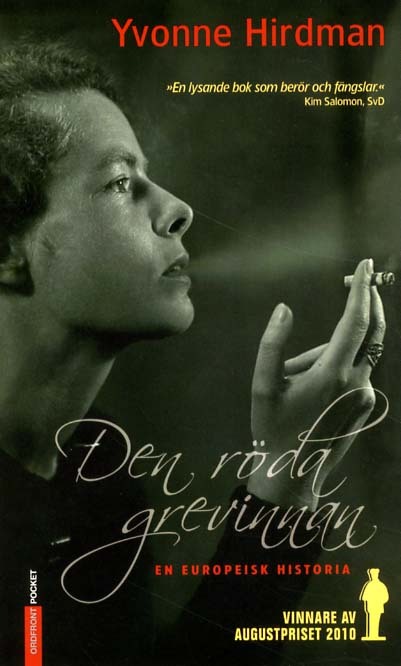
Yvonne Hirdman’s Family Album


By courtesy of Professor Yvonne Hirdmann, a renowned Swedish historian at Stockholm University and author of the book “Den röda grevinnan: en europeisk historia.”, translated into German language “Meine Mutter, die Gräfin – Ein Jahrhundertleben zwischen Kommunismus und Bohème”.
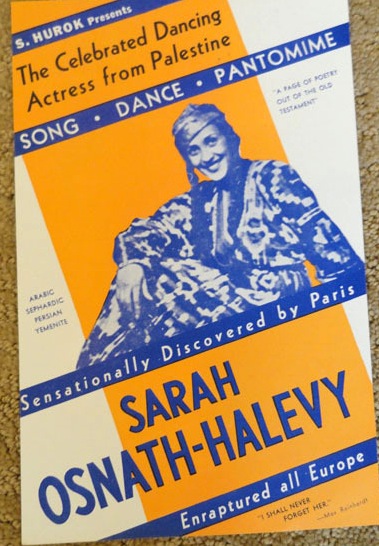
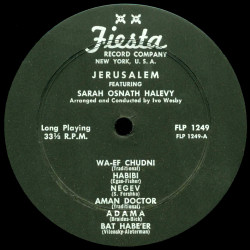
Sarah Osnath-Halevy – Fascinating Yemenite


Auschwitz Survivor Stranded in Czernowitz


22.11.2012: Here’s the documents concerning my grandpa. On the first page you can
see him during his honeymoon with my grandma. The following documents
are all the pages taken from Yad Vashem. Thank you everybody. Rivka
22.11.2012: The thing is that we don’t actually know if he was REALLY seen on
22nd july 1946 or if it was something registered ON 22nd July, which
would mean he was seen long before that date in Czernowitz. I can
scan the document as soon as possible so you can see….
On the space left for writing the “date” there’s a stamp with that
specific day (July 22nd).
On the place left for BBC Date there’s written “MKB” which should
actually means “Medical Knowledge [Data] Base, which means he ad the
examination from CRI – Italian Red Cross, and apparently he was still
in health.
I’m sending you all of my new documents soon, also I can send you
some pictures of him if you want to….
Thank you so much for all that you’re doing, my family and I are
appreciating this SO MUCH. Take care
22.11.2012: Dear Edgar, thank you so much for your reply and for your support.
The few documents we have today are taken from the Gestapo archives and
his name’s been written from CRI – Croce Rossa Italiana (italian red
cross) I guess during a medical examination. As far as i know now, this
archive’s been secret until the last few months, when Germany decided
to give it to Yad Vaashem. So after the WWII we have no more infos on
him. Knowing that he was still alive in Czernowitz is a very new thing,
and also a new point to start again with our research.
Also i’d love to know if there’s any archive from the hospital in Czernowitz or if
there’s any psichiatric hospital in that area… I’m really looking in
any direction……
Thank you so much, i really appreciate what you’re
doing for me and my family. Take care
16.11.2012: Hello, my name is Rivka Spizzichino, I’m writing you from Italy hoping to have some information from you. I’m a jewish woman, and part of my family was killed during the deportation. My grandpa, he was deported in Fossoli then Auschwitz, but we know for sure he didn’t die there. He was supposed to go back to Italy with a group of men, but unfortunately he decided to go back to Rome via Russia. Then on his way back home we have no idea what could ever happen to him, since he never came back to Rome. Since that time, he was and still be lost. I’ve been looking for him since I was 15, asking to archives and doing all I possibly could to know even a day more about his life. Recently I knew from Yad Vashem archive in Israel that he was surely still alive in Czernowitz, during 1946. Then I found you. I was wandering if you have any information, photo or any kind document that could possibly be related to him. That would either be amazing if you canl ink me to someone who possibly does. Thank you so much in advance. Grandpa Details:
PACIFICO SPIZZICHINO DI MOSE’
SPIZZICHINO E GRAZIA DI SEGNI
BORN IN ROME ON DECEMBER 2nd 1910
STILL ALIVE IN CZERNOWITZ ON JULY 22nd 1946
Odessa – Romania’s Forgotten Holocaust
SpiegelOnline International: Filmmaker Confronts Leaders Over Silence
SpiegelOnline Germany: Rumäniens vergessener Holocaust
The Oldest Bookstore in Radautz

Reclam Centenary 1928


Read the full story of “The Oldest Bookstore in Radautz”, edited by Franz Wiszniowski and released by Peter Elbau at:
http://bukowina.info/Buchhandlung.html
Die älteste Radautzer Buchhandlung
(Franz Wiszniowski, “Radautz”)
Im Jahre 1872 eröffnete der am 11. Dezember 1830 zu Brigidau in Galizien als Sohn des dortigen evangelischen Pastors geborene Julius Kirner in dem etwas über 9000 Einwohner zählenden Radautz die erste Buchhandlung. Es war für die damaligen Verhältnisse ein gewagtes Unternehmen, weil die aus deutschen Handwerkern, rumänischen Bauern und jüdischen Handelsleuten bestehende Bevölkerung kein Interesse und die Beamten- und Lehrerschaft, zumeist deutscher und polnischer Nationalität, ein nur sehr geringes Interesse für literarische Erzeugnisse hatten. Da aber ein rein buchändlerischer Betrieb nicht die geringste Aussicht auf Rentabilität hatte, war Kirner genötigt, in seiner Buchhandlung auch andere Artikel, wie Schreibwaren, Musikalien, Spielwaren, Musikinstrumente samt Zubehör, Bilderrahmen und Galanteriewaren, zu führen. Das Unternehmen gewann, zumeist vom Land, aber auch aus den Städten Sereth und Suczawa, einen ständig wachsenden Kundenkreis, wobei sich der Galanteriehandel am einträglichsten erwies. Trotzdem betrachtete Kirner den Buchhandel als den eigentlichen Mittelpunkt seines Unternehmens, dem er seine besondere Aufmerksamkeit schenkte. Kirner wagte sich sogar an ein Verlagsunternehmen, indem er im Jahre 1875 das Epos “Nogaja oder die Steppenschlacht” des Radautzer Gymnasialdirektors und Bukowiner Heimatdichters Ernst Rudolf Neubauer, mit dem er befreundet war, herausgab. Dieses Unternehmen endete allerdings mit einem Mißerfolg.
Erst 41 Jahre alt, starb Kirner am 9. Oktober 1876. Da seine Schwester, die Postbeamtin Hamm, die die Buchhandlung erbte, weder Kenntnisse noch Zeit für die Leitung des Geschäfts hatte, bestellte sie einen Geschäftsführer, dem es aber an der nötigen Pflichttreue fehlte, so daß das Geschäft immer mehr zurückging, die Schulden aber immer größer wurden.
Im Jahre 1891 verkaufte Frau Hamm die Buchhandlung an den Radautzer jüdischen Kaufmann Chaim Menschel. Da dieser kein Fachmann war und auch keine Studien nachweisen konnte, erhielt er die Konzession für die Ausübung des Buchhandels nur aufgrund eines ihm von Neubauer ausgestellten Gefälligkeitszeugnisses. Menschel gelang es, sich auf dem ihm ungewohnten Boden zurechtzufinden und das Geschäft, obwohl er sich immer mehr auf den Handel mit Schulbüchern und Schreibwaren beschränkte, trotz der Konkurrenz – inzwischen waren die Buchhandlungen Botta (die spätere Buchhandlung Herzberg), Hirsch, Rosenstock, Hardt, Kunstadt und Reinhold eröffnet worden – wieder hochzubekommen. Nach einigen Jahren überließ Menschel, der auch Besitzer einer Weinstube war, die Leitung der Buchhandlung seiner Ehefrau, die sie mit dem Gehilfen Nathan Herer bis zu ihrem Tode führte.
Nach dem Tode seiner Ehefrau verkaufte Menschel die Buchhandlung im Jahre 1909 an den rumänischen Bezirkslehrerverein Radautz. Der neue Eigentümer, eine Genossenschaft mit beschränkter Haftung, stellte zunächst viel zuviel Personal ein, bestellte dann Schreibwaren in so großen Mengen, daß trotz des Umsatzes noch ansehnliche Mengen übrigblieben und ergänzte schließlich das Lager mit allerlei Krimskrams, wie Schallplatten, Uhren, Nippsachen, Sportgeräten, Spielwaren, Parfümerien und Totenkränzen. Zu all dem beanspruchten die rumänischen Lehrer als Mitglieder des Vereins die Einräumung ausgedehnter Kredite, so daß die Lieferungen nicht bezahlt werden konnten.
Da die Weiterführung des Unternehmens keinen Sinn mehr hatte, wurde die Buchhandlung im November 1912 an die Firma “Universitätsbuchhandlung H. Pardini in Czernowitz”, deren Inhaber Frau Jos. Engel und Fritz Schledt waren, verkauft, die sie als Filiale durch einen Geschäfstführer, zuerst Kaiper dann Rieber, führen ließen. So kam die Buchhandlung wieder in deutschen Besitz. Im Juni 1914 lösten Frau Engel und Herr Schledt den Gesellschaftsvertrag und Schledt, der nach Radautz übersiedelte, übernahm die Radautzer Filiale als selbständiges Unternehmen. Während des Ersten Weltkrieges, in dem Schledt Kriegsdienste leistete, führte Frau E. Schledt das Geschäft. Gleich nach der Übernahme der Buchhandlung hat Schledt den Betrieb auf den reinen Buch- und Papierhandel umgestellt. Nach dem Krieg hat er auch den Verkauf von Papier- und Schreibwaren sowie von rumänischen Büchern eingestellt und sich dann als einziger Buchhändler in ganz Rumänien ausschließlich auf den Verkauf und die Lieferung von deutschen Büchern und Zeitschriften beschränkt. Unter anderem belieferte er auch den rumänischen König Carol II. mit deutschen Büchern.
Die Buchhandlung verfügte, wie nur wenige in Rumänien, über ein ausgezeichnetes Katalog- und Nachschlagmaterial, das über alle Werke des deutschen Verlagsbuchhandels Auskunft gab. So war aus der ältesten Radautzer Buchhandlung eine deutsche Buchzentrale entstanden, die mit den modernsten Mitteln, wie sie damals in Deutschland zum Teil erst zur Diskussion standen, arbeitete. Dazu gehörten auch die Buchausstellungen, die Schledt in Czernowitz und Radautz veranstaltete, ferner die Herausgabe der “Bursa cartilor”, d. h. eines Bücheranzeigers für Rumänien, der die mangelnde Biographie der in Osteuropa erschienenen Bücher ersetzte, sowie eines Einblattkataloges. Auch veranstaltete Schledt Wanderausstellungen im Auto, die für Dorf und Stadt bestimmt waren. Mit der Buchhandlung war eine Leihbibliothek verbunden, die mit über 3500 Werken die größte in Radautz war.
Im Jahre 1930 ließ Schledt in der Radautzer Buchdruckerei “Arta” den “Radautzer Kalender” für das Jahr 1931 mit einem interessanten Inhalt drucken, der aber nicht zur Ausgabe gelangte.
Diese älteste Radautzer Buchhandlung, die sich dank der Geschäftstüchtigkeit ihres letzten Besitzers zu einem rein deutschen Unternehmen, das sich sehen lassen konnte, entwickelt hatte, mußte nach genau 60 Jahren liquidiert werden. Ende Dezember 1931 wurde Schledt aufgrund einer unüberlegten Anzeige einer deutschen Frau wegen dringenden Verdachts eines Verbrechens in Untersuchungshaft genommen und vom Radautzer Tribunal am 18. Januar 1932, trotz erwiesener Unschuld, zu einer Gefängnisstrafe von vier Monaten verurteilt. Nach Verbüßung der Strafe wurde Schledt als nichterwünschter Ausländer – er war deutscher Staatsbürger – des Landes verwiesen. Seine Ehefrau war daher gezwungen, das Eigenheim und die Bücher zu verkaufen und mit ihren Kindern zu ihrem Ehemann nach Deutschland zu übersiedeln.

Radautz at the Beginning of 20th Century


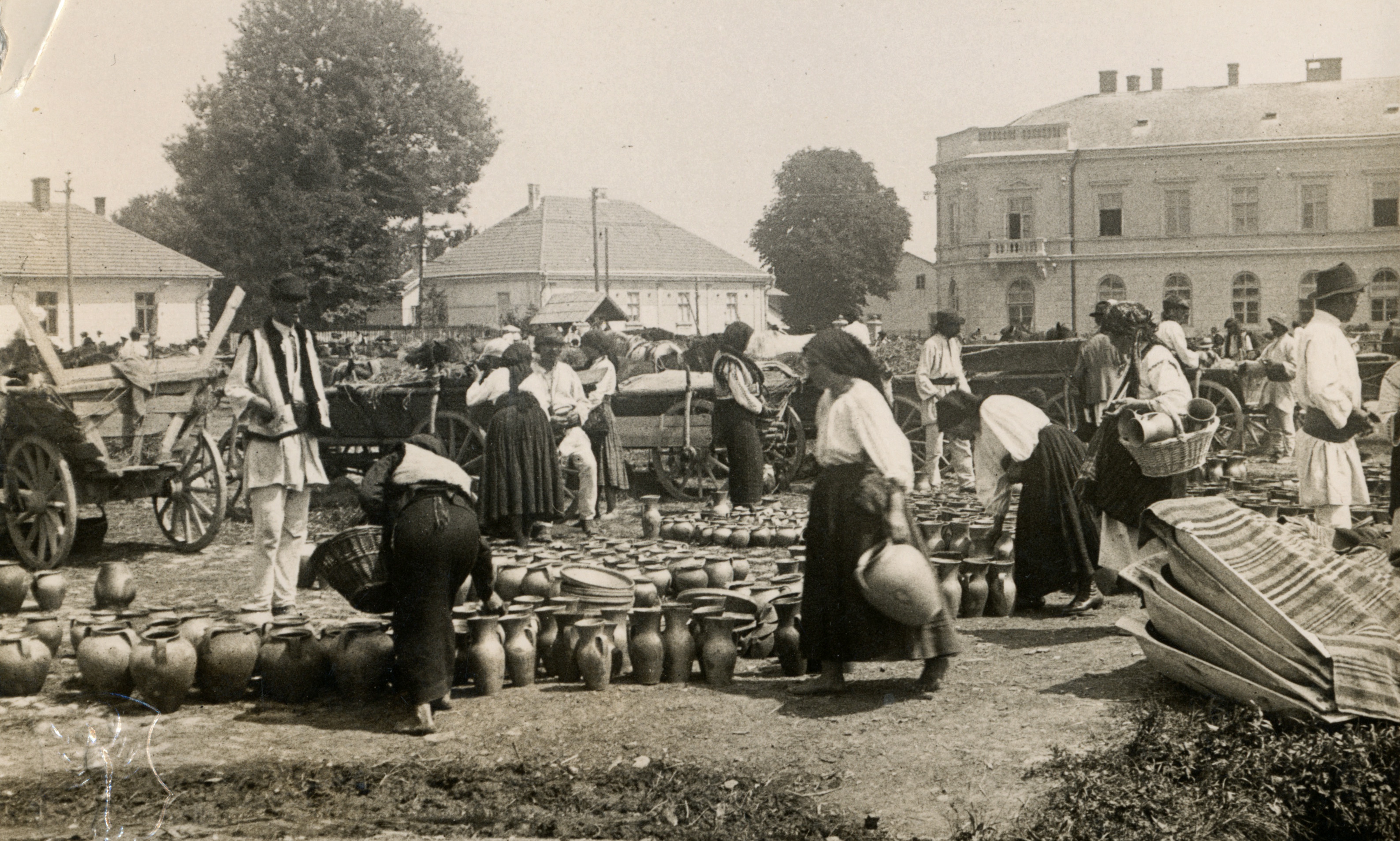

By courtesy of Professor Yvonne Hirdmann, a renowned Swedish historian at Stockholm University and author of the book “Den röda grevinnan: en europeisk historia.”, translated into German language “Meine Mutter, die Gräfin – Ein Jahrhundertleben zwischen Kommunismus und Bohème”.

Palestine Maritime Lloyd Ltd. Haifa


The Har Zion could take 110 passengers.
(Israel’s National Maritime Museum)
The boat was sunk in 1940.

Ferry boat brings Har Zion passengers into Tel Aviv port.
The ship is identified in the caption as a “Jewish Agency ship”.

Har Zion passengers arrive in Tel Aviv.

http://www.israeldailypicture.com/: The Har Zion (built in 1907) and its sister ship Har Carmel were owned by the Palestine Maritime Lloyd shipping company, formed in 1934. The company and its ships were Jewish owned and operated under these principles:
1) Management according to business and professional basis.
2) Company to involve itself in the process of the building of the country
3) Company must be owned by Jewish interests
4) Ships will be under “Hebrew” flag
5) Crews will be Jewish
6) Ships will be supplied by local products
The Har Zion was mobilized by the British navy at the outbreak of World War II. In August 1940, on a voyage between England and Nova Scotia it was sunk by a German U-boat. Thirty-seven crewmen perished, including 17 Jews.
