Author Archives: Administrator
Reconquest of Czernowitz, 6th August 1917


Kyseliv – Borivtsi – Verenchanka
Pawel Otulakowski wrote to us: “Hello! I am Polish man who travelled to Ukraina to find family roots. Some of them are in Kyseliv. This is what I find near the village – monument without inscriptions (photo). I heard from local people history of this tragedy. Germans takes all jewish people from two twin villages – Kyseliv and Borivtsi (Kisielów i Borowce). They find also few Ukrainians who for promise to take all goods from victims agree to shot them. But they were usual people who don’t know how to kill. So they shoted even few times and they don’t kill some persons. Germans look for this and have fun that ukrainians do that “unprofessionally” . Died and alived – all were throwed to the little water eye that was deep in this time. There were corn around and few people saw everything. Everybody knows who were murderer but they lived without any consequences. Now they are die. I think You have to know about this and hope that monument will be repaired. There is also few macevas/gravestones in Verenchanka (Werenczanka) cemetery (photo).”


First I thought it is off-topic and off-area, but on closer examination I learned, that it is at least not off-area, as Kyseliv, Borivtsi and Verenchanka belong to the Czernowitz region and the Kitsman district. Above all, it can’t be off-topic, as similar brutal massacres happened in the whole area and – as Jerome mentioned – “it is one of those horrible, believable stories that is crying out to be heard, regardless of where it took place.”
Edgar Hauster
Two Czernowitz Maps – Fraternal Twins


By courtesy of Vasile Craciunescu
Galicia and Bukovina Map in Hebrew (1878)

By courtesy of Scholem & Friends, as per information of Yohanan Loeffler from Melbourne, Australia
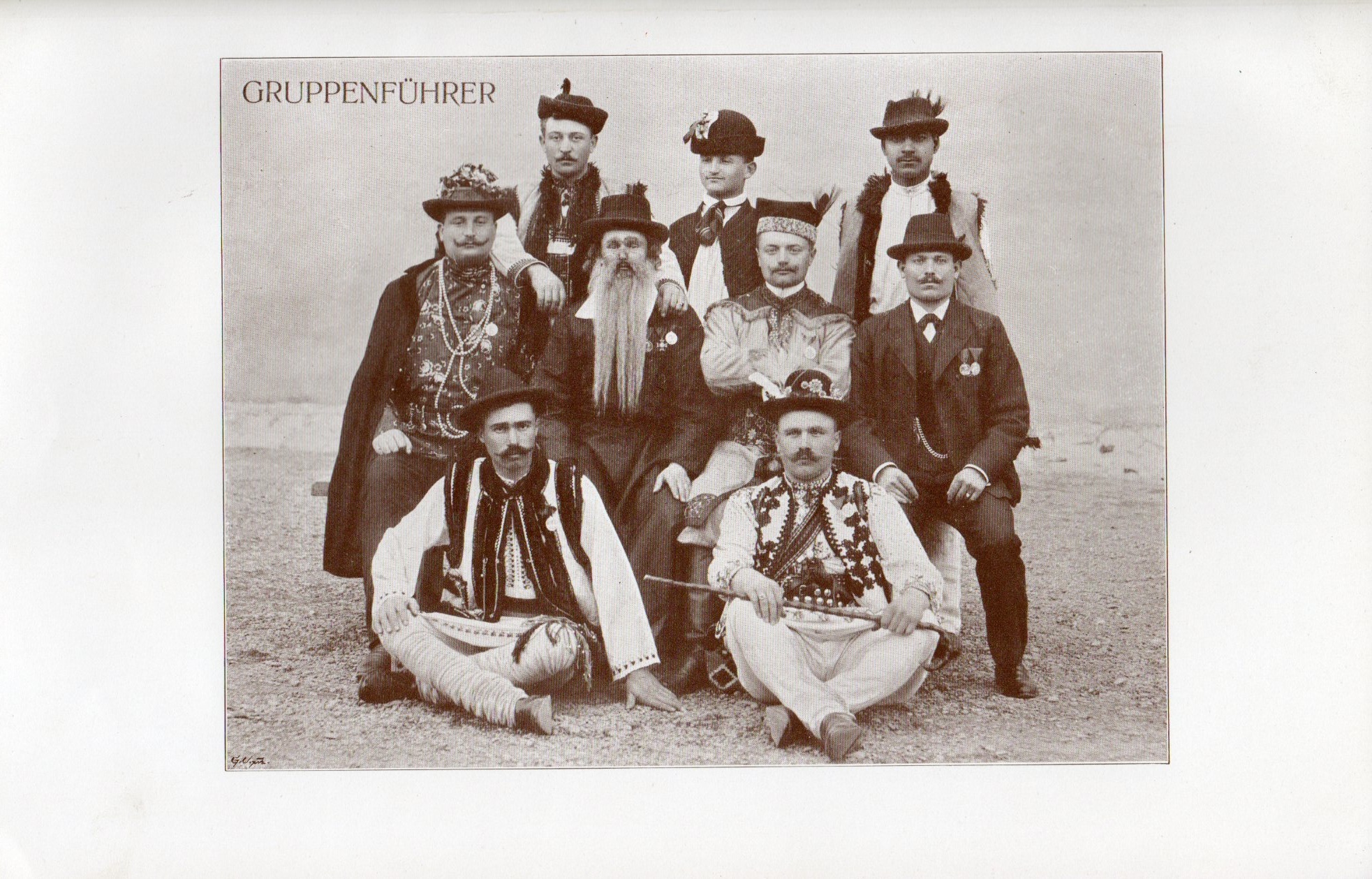
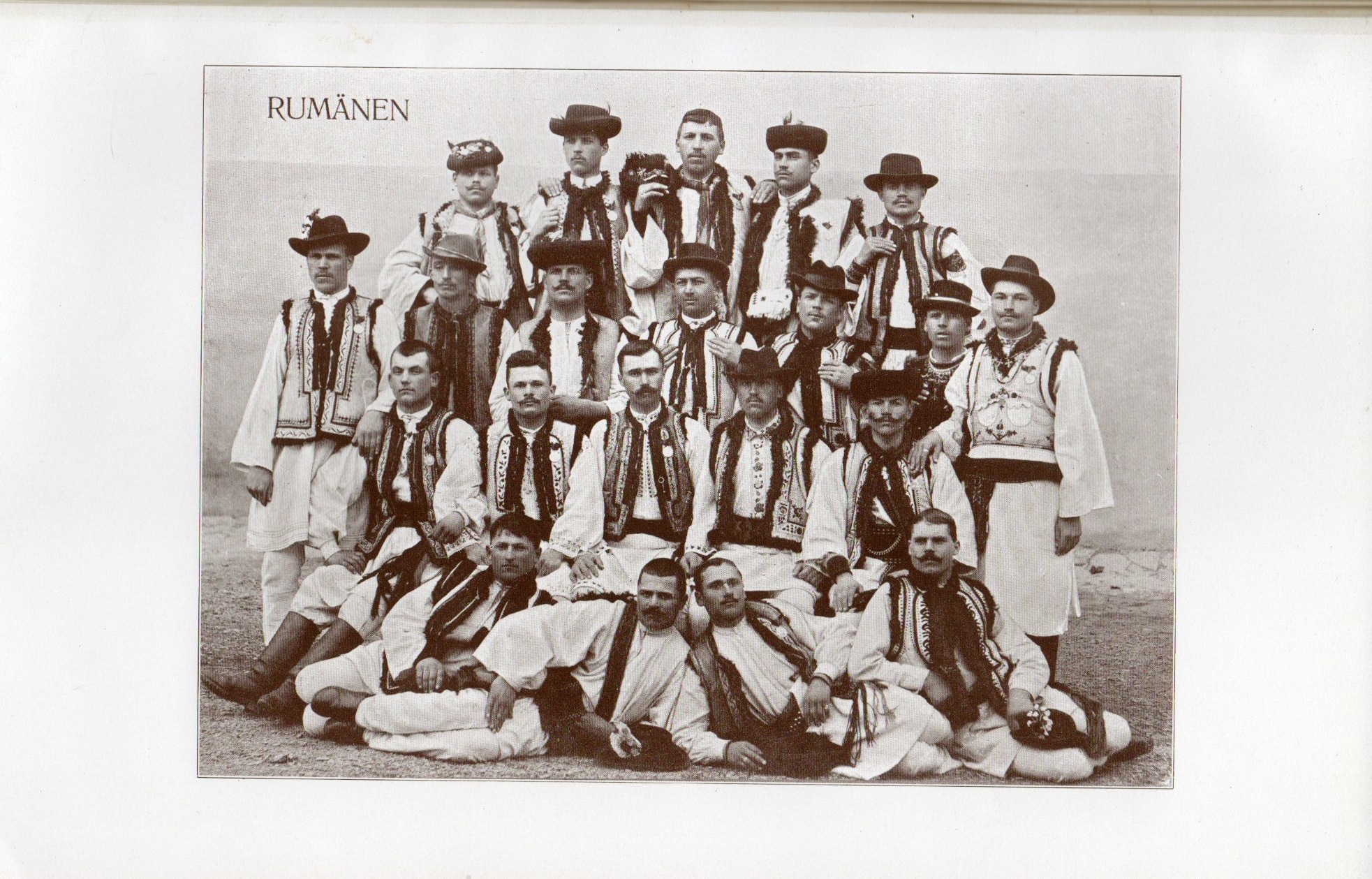
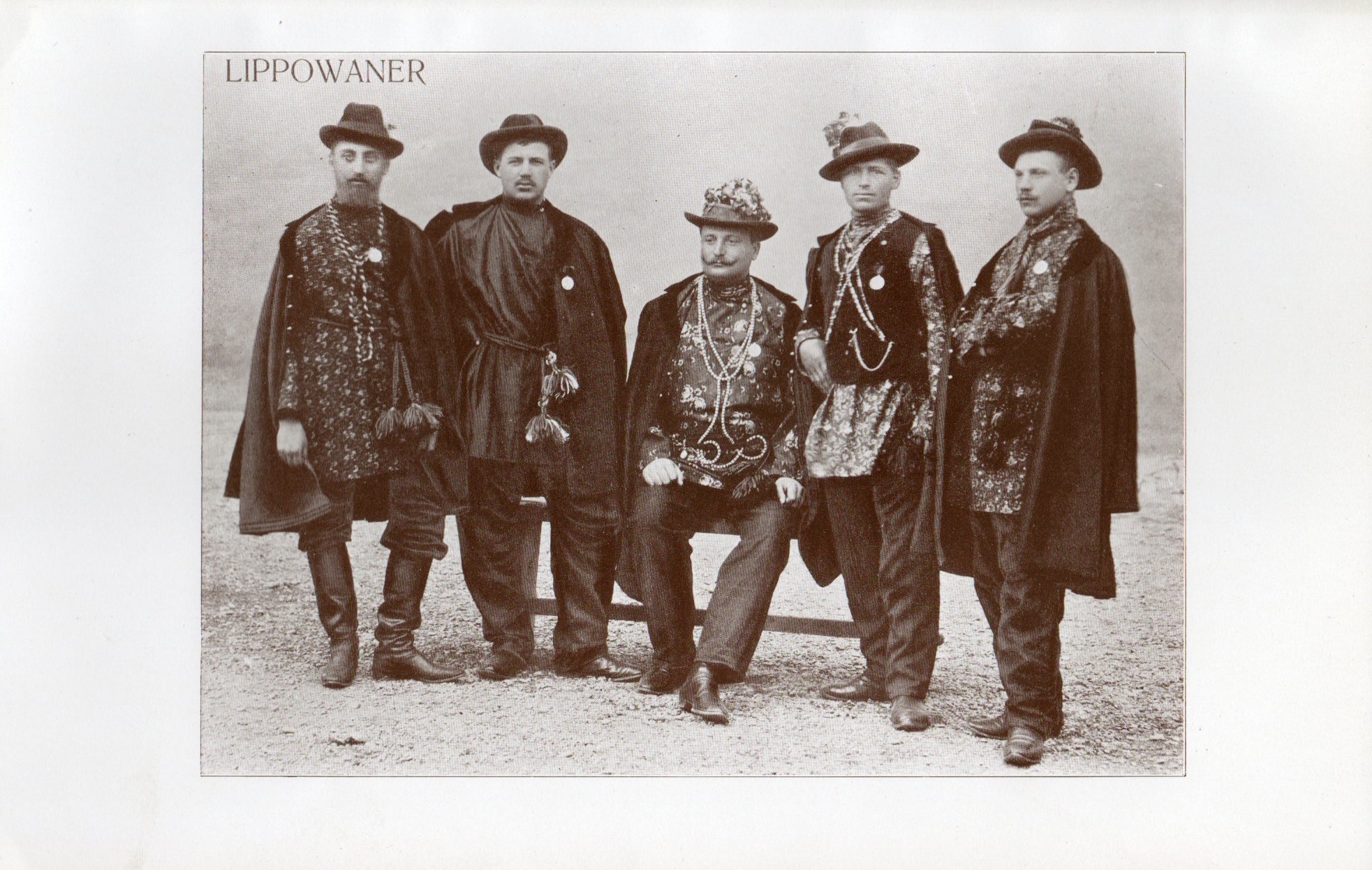
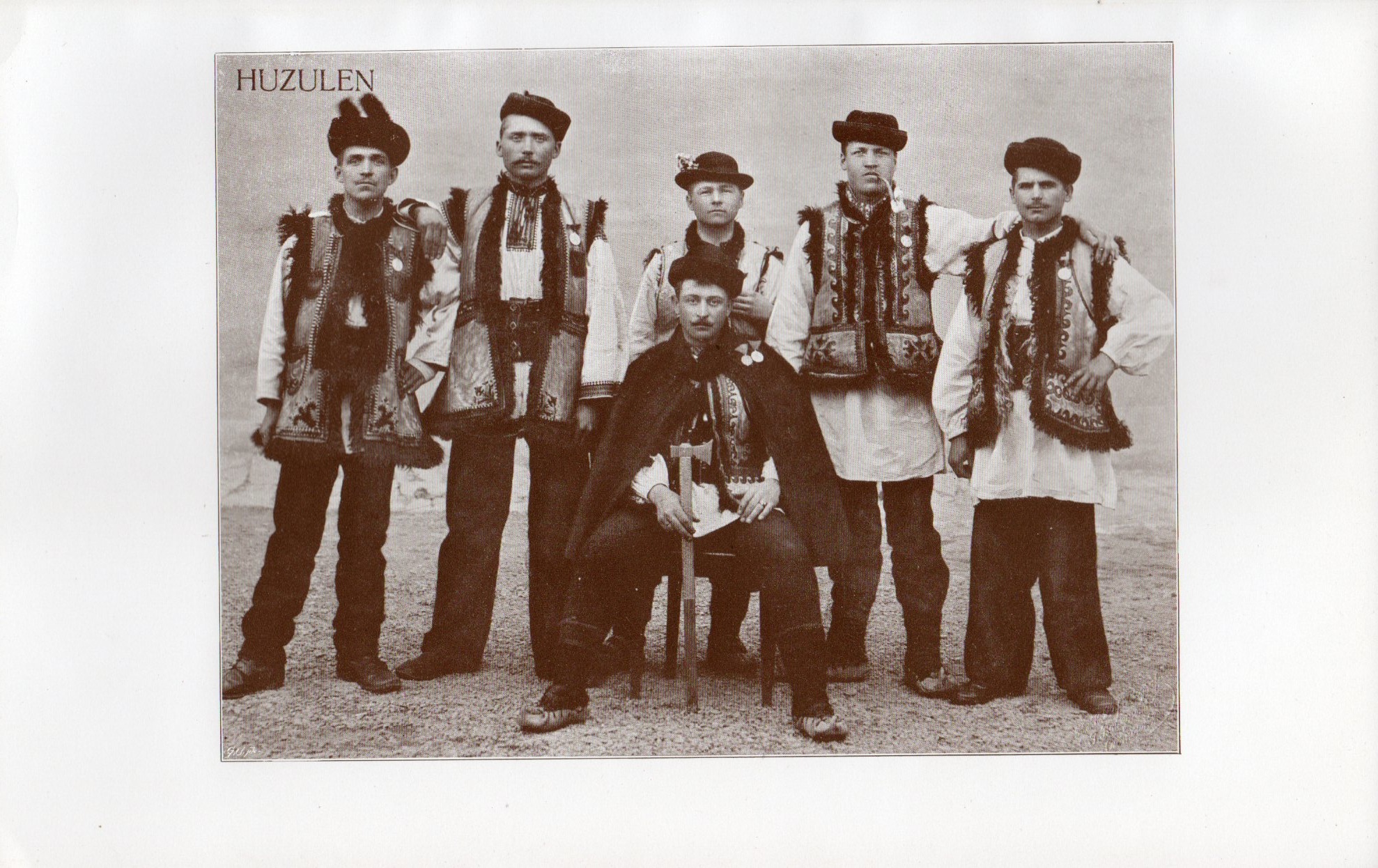
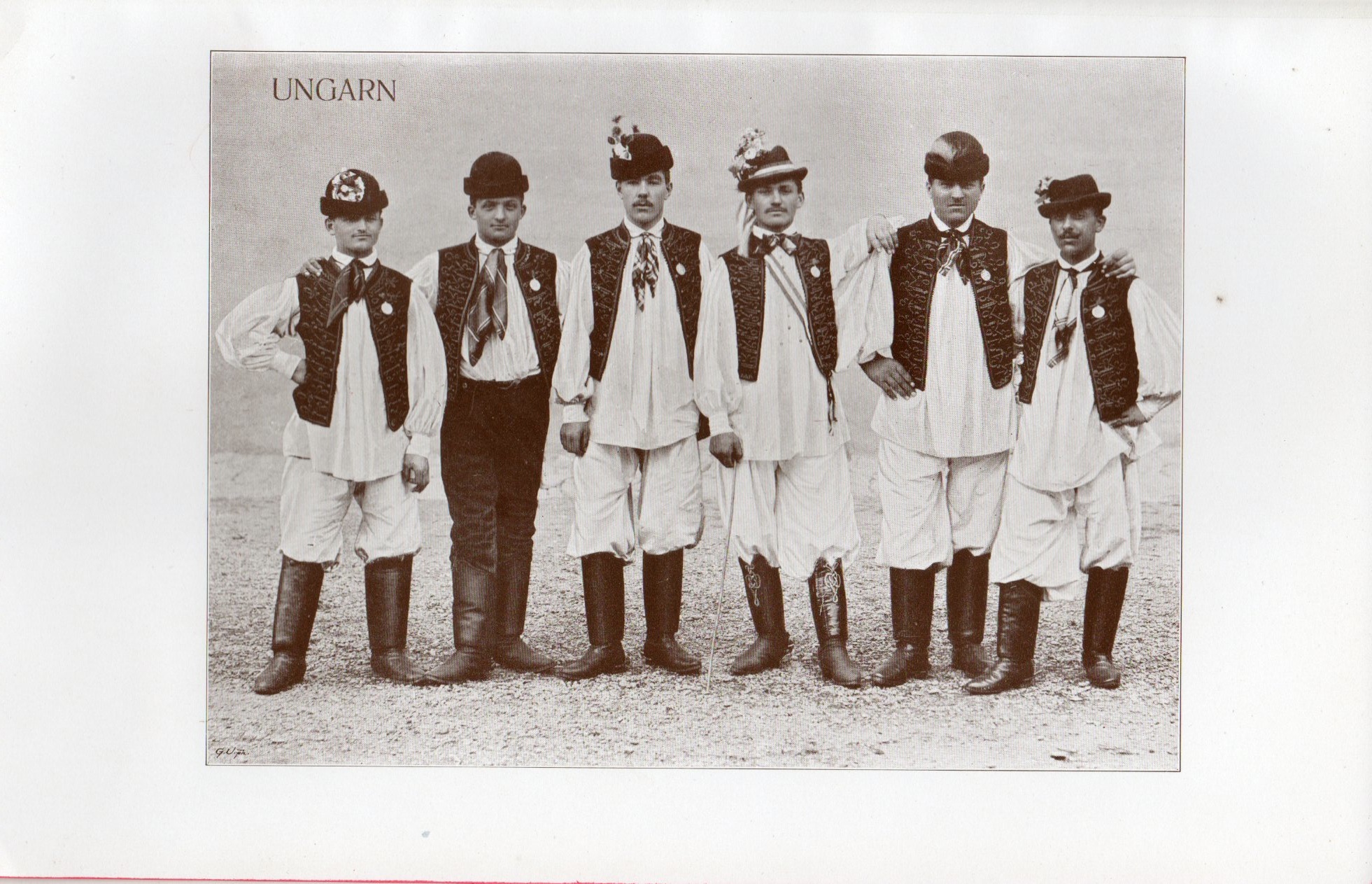
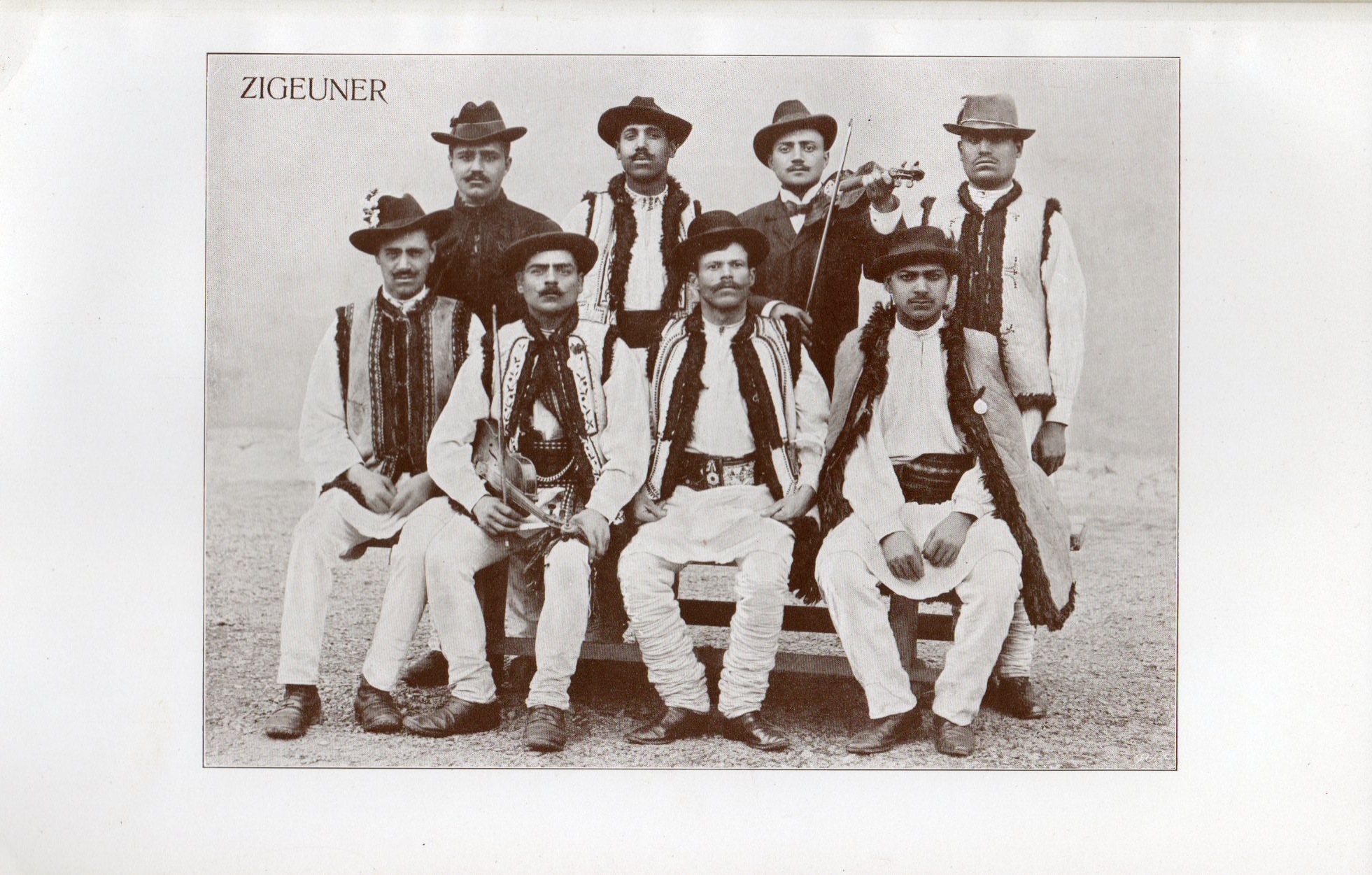
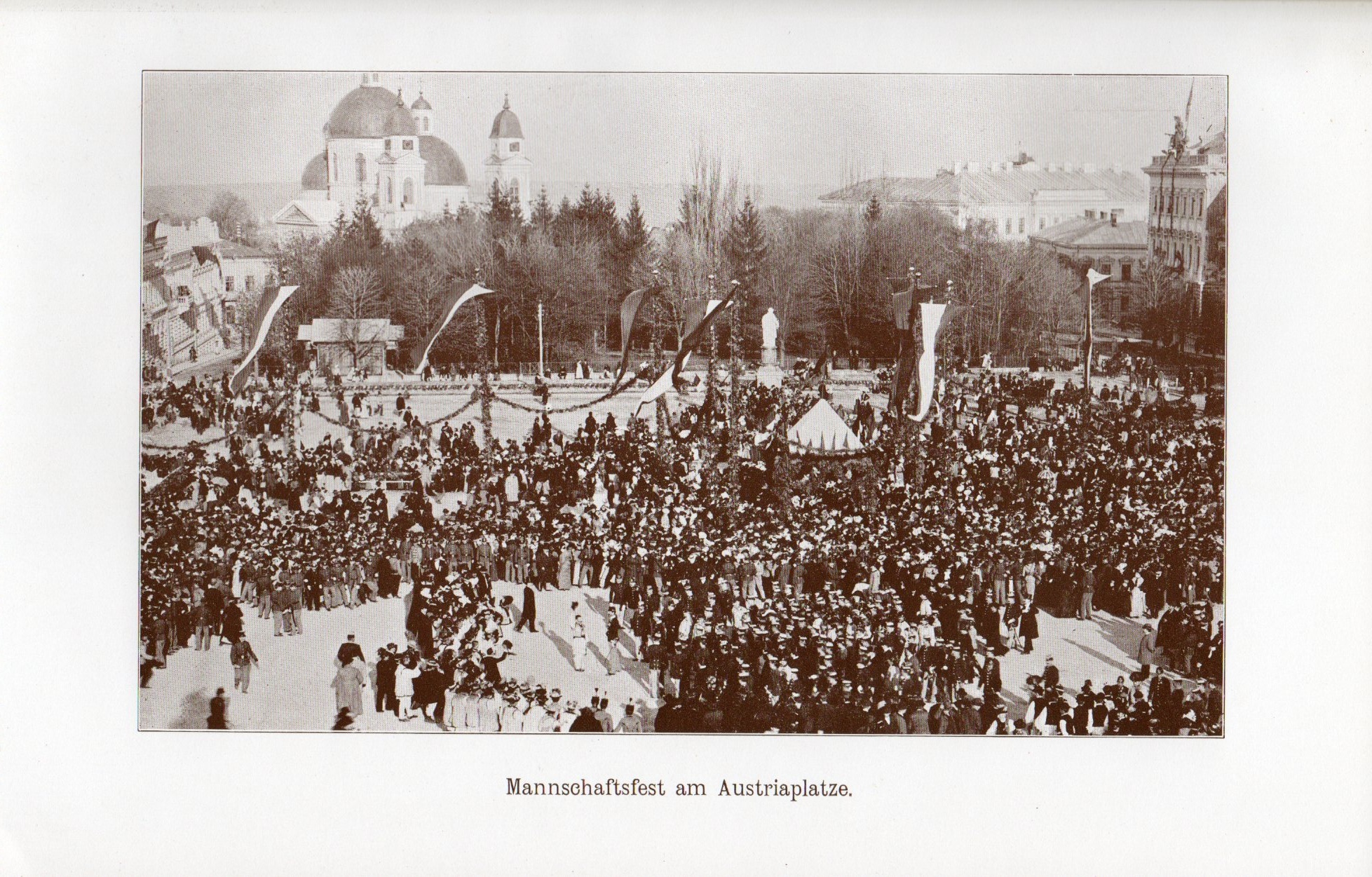
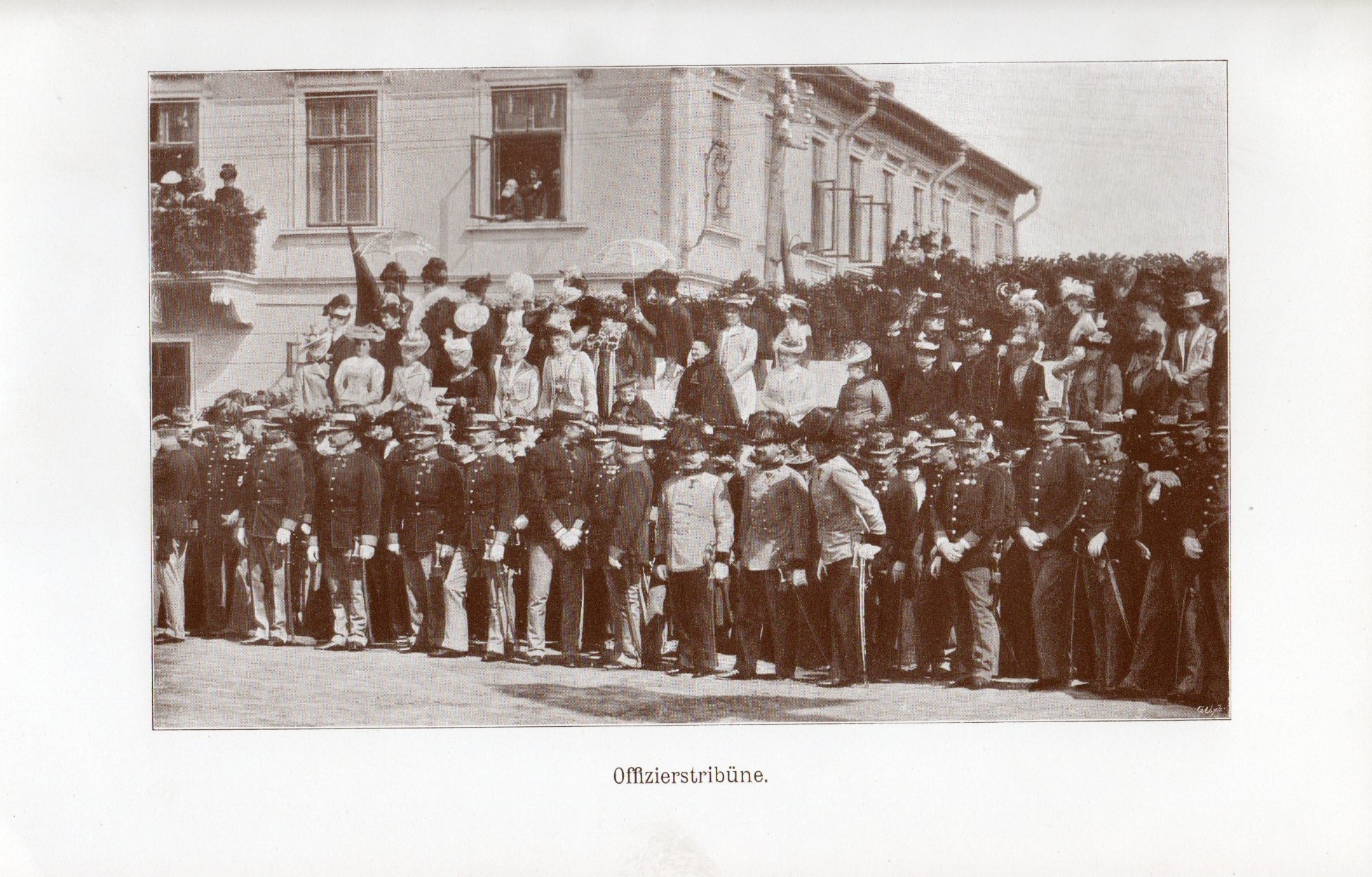
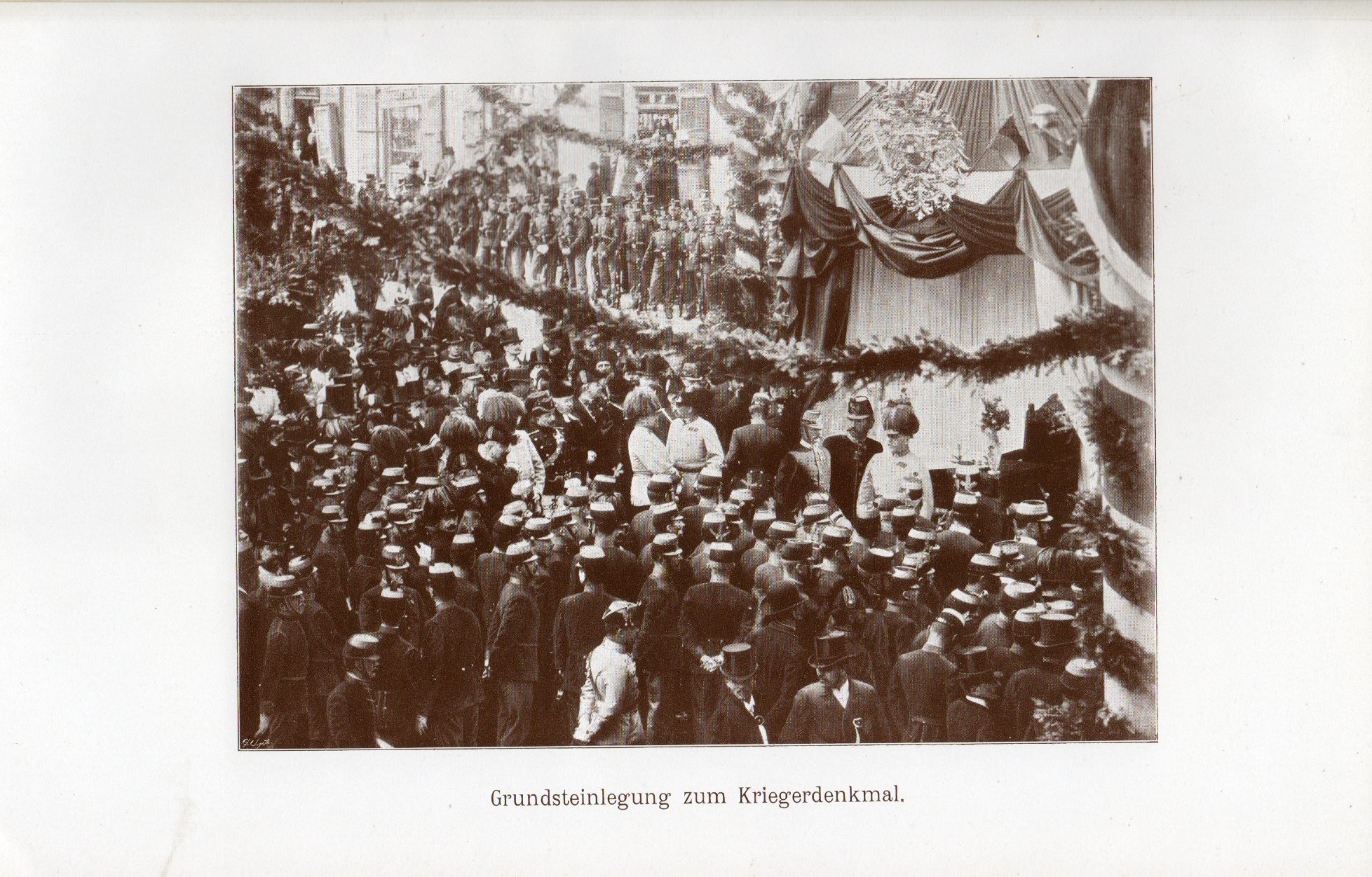
Excerpted from “Illustrierter Führer durch die Bukowina”, published by: Mandelbaum Verlag
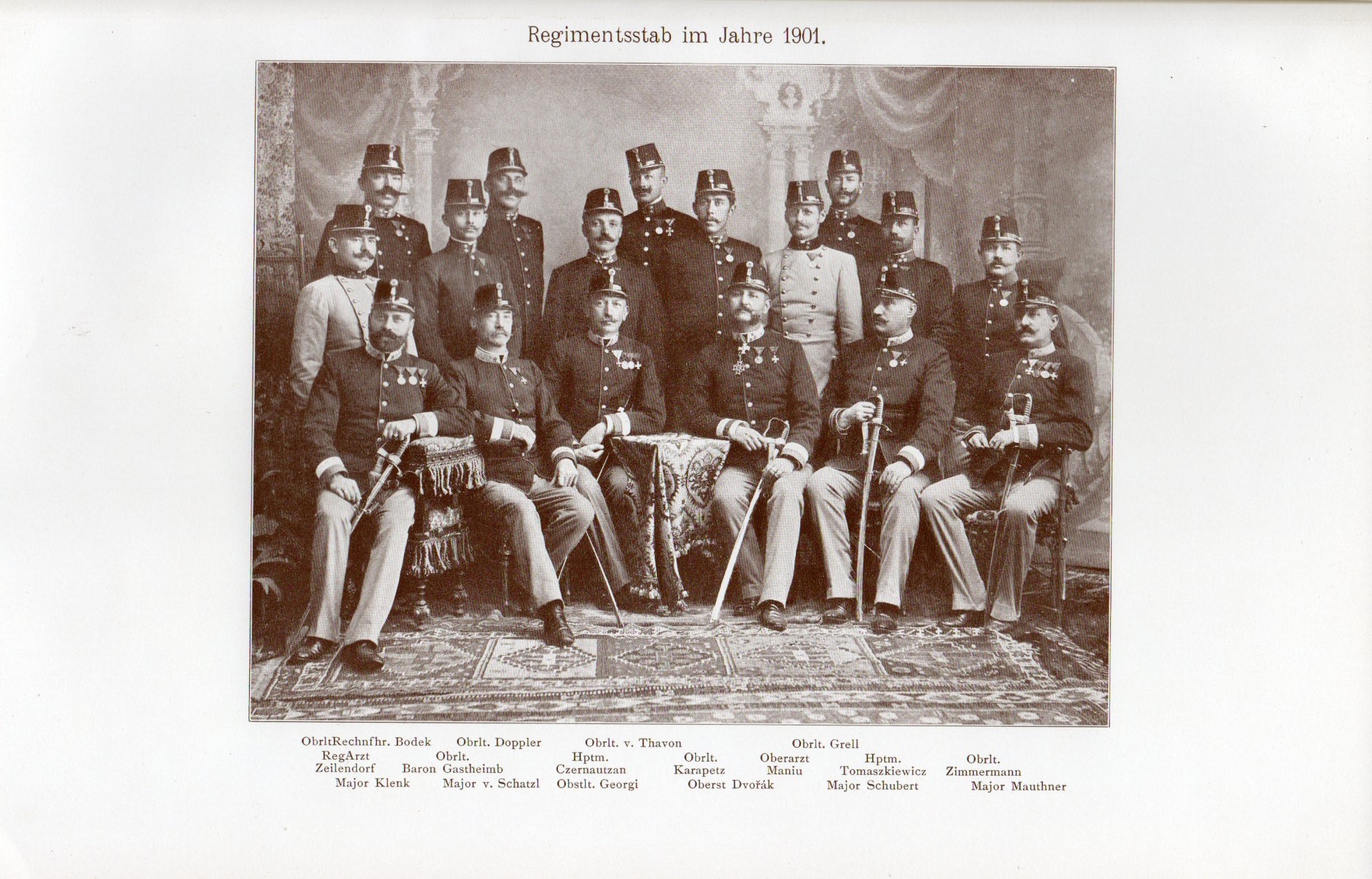
Infanterieregiment Erzherzog Eugen Nr. 41


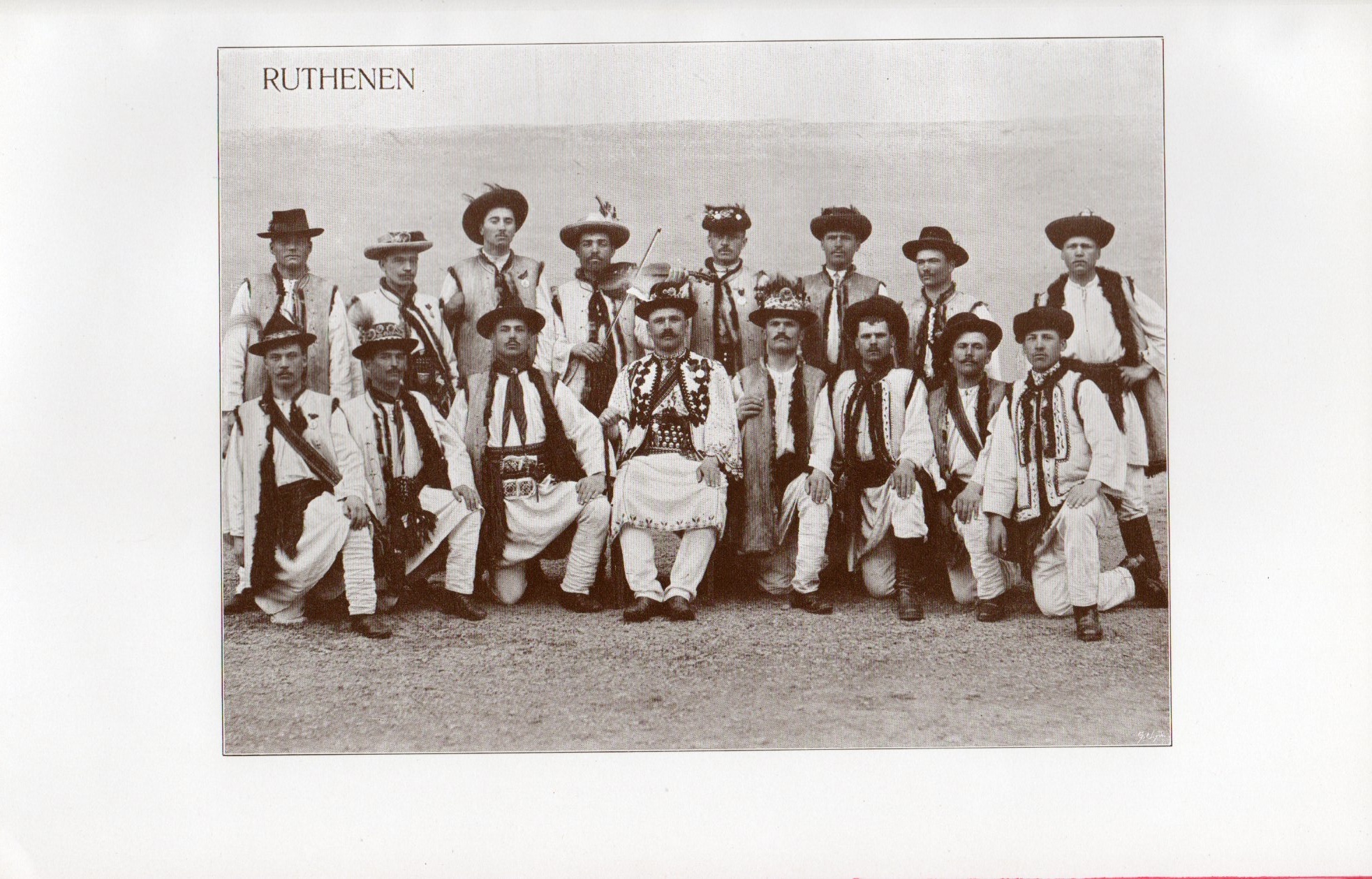
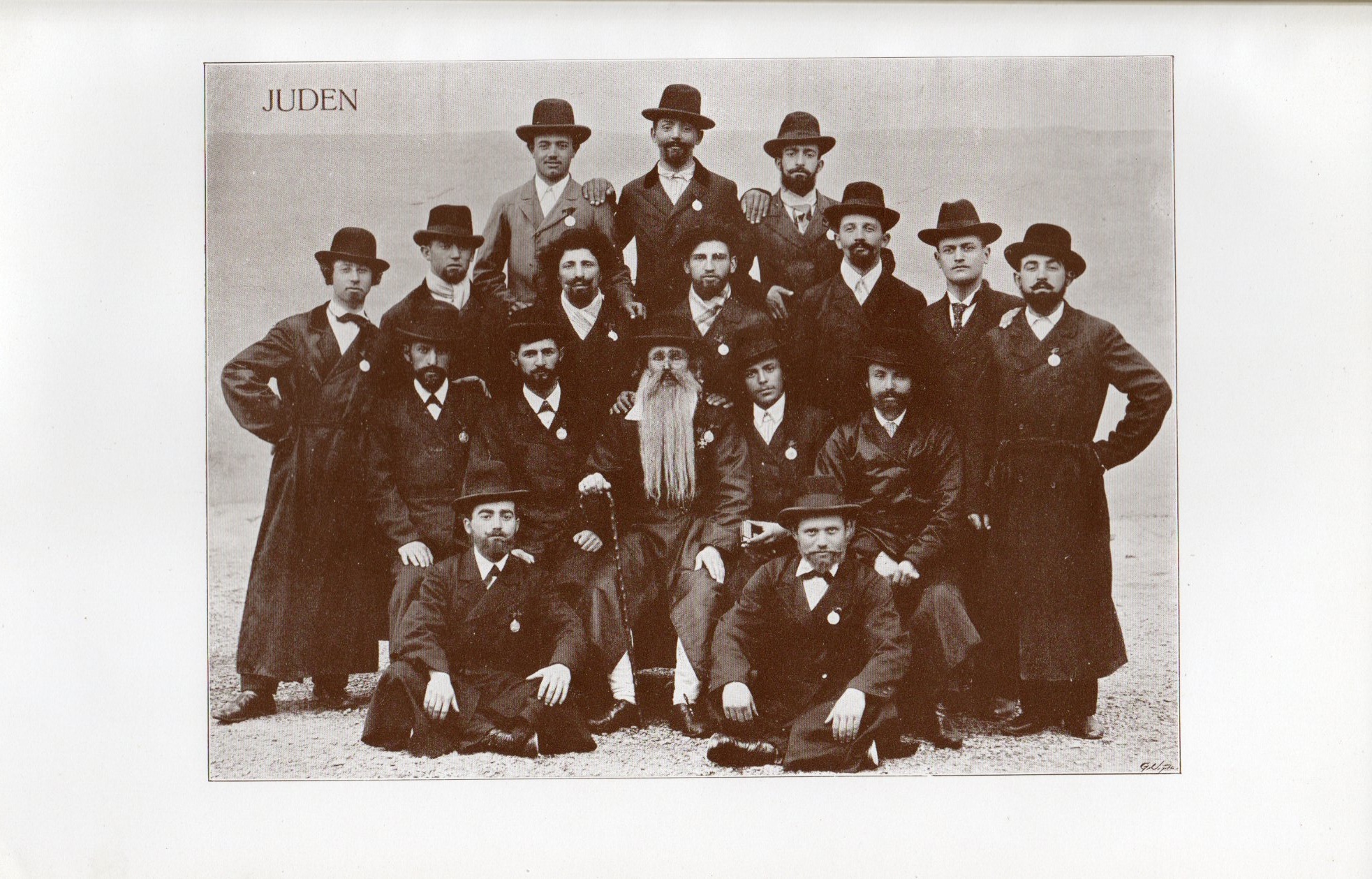
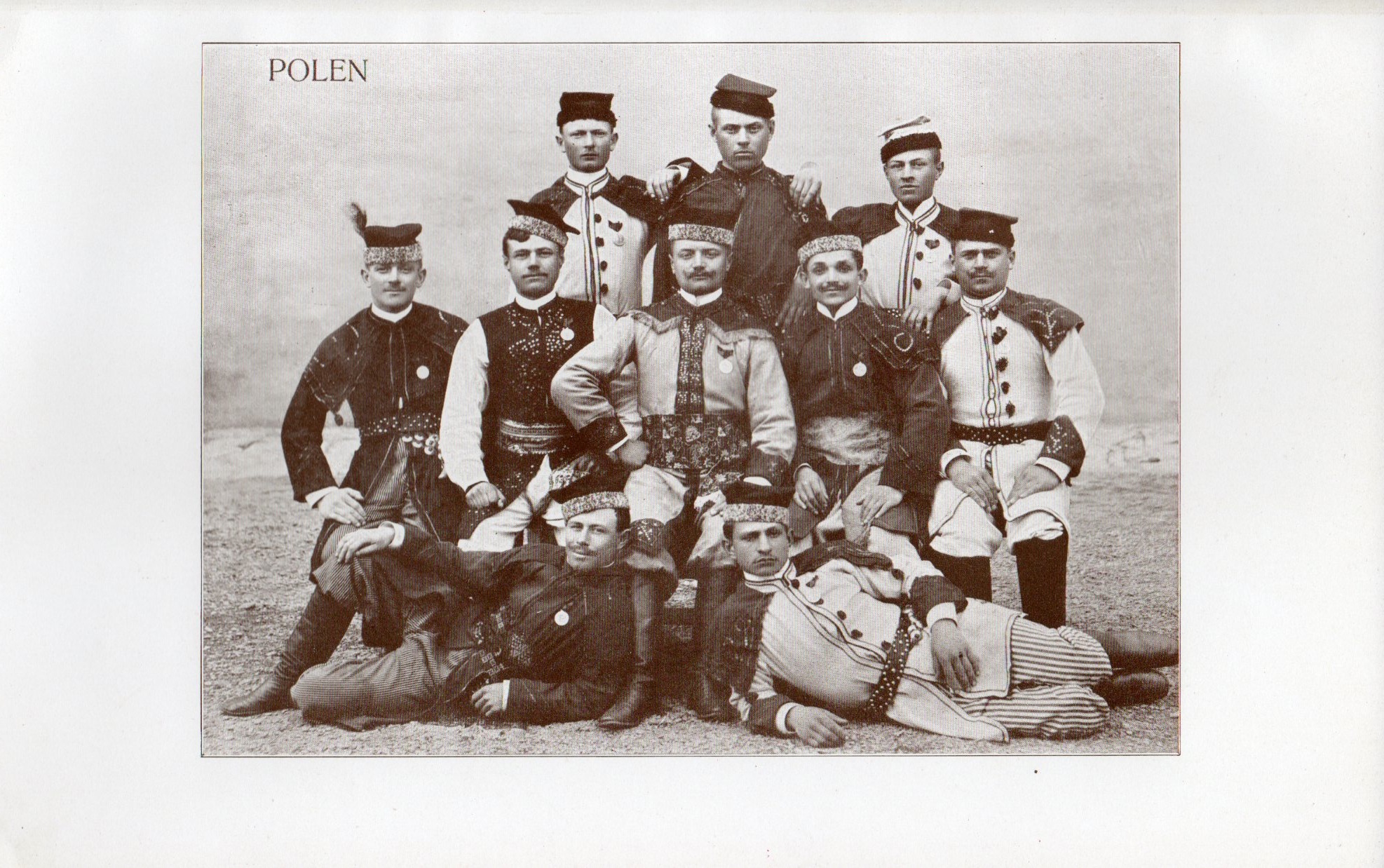
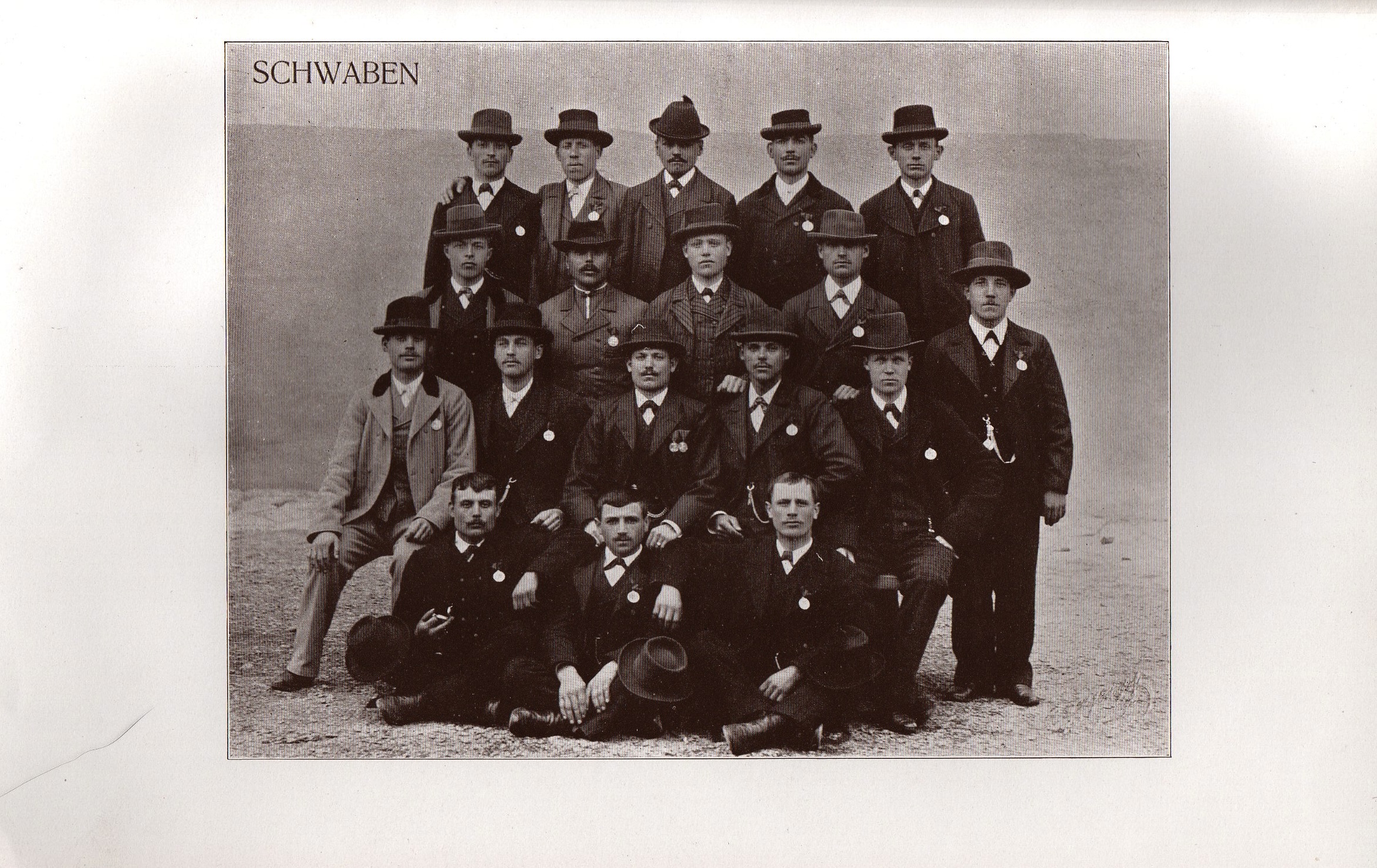
Machtergreifung – Seizure of Power

Chernivtsi Museum of Bukovinian Jewish History and Culture

The Temple

Courtesy of Edward Turkiewitsch

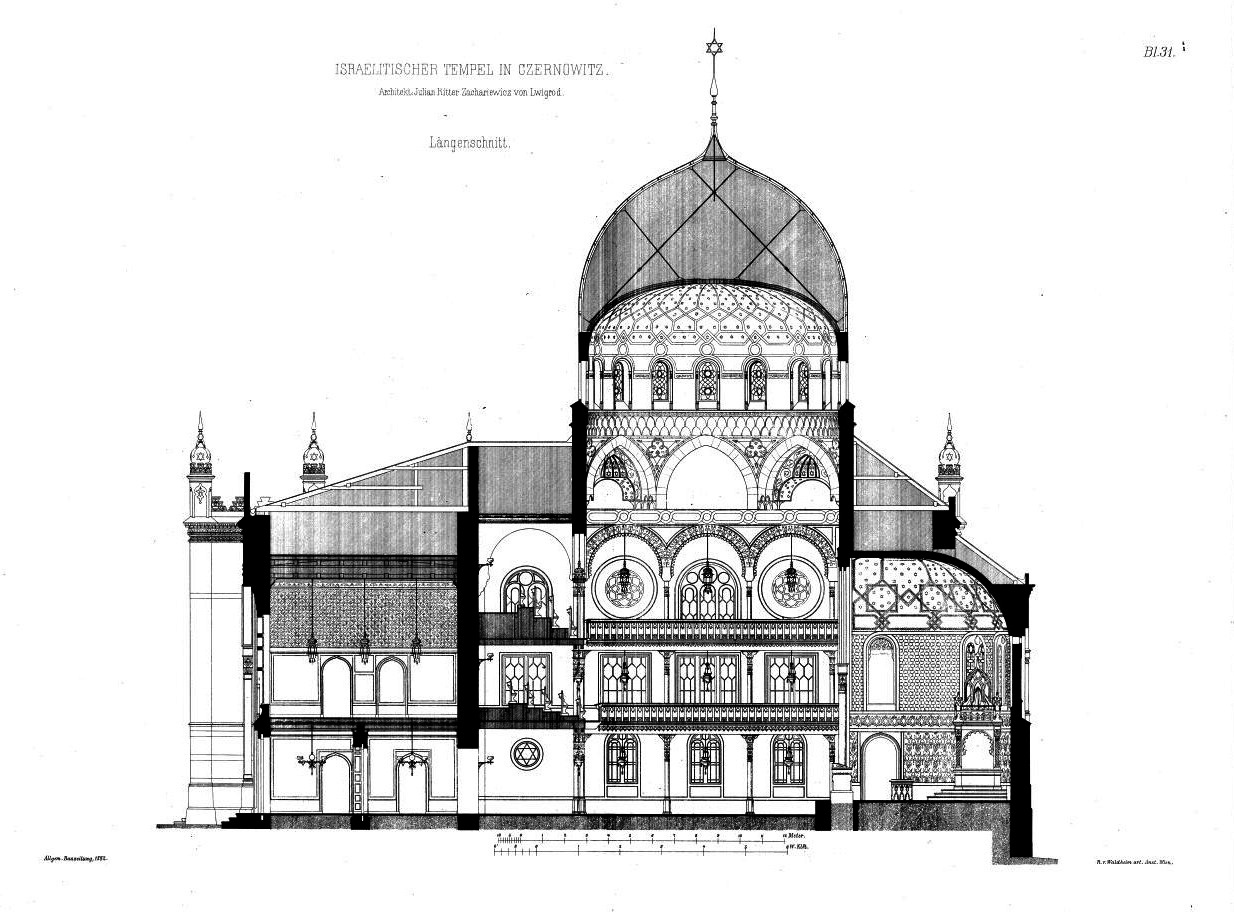


Download: Architectural Specifications as per Allgemeine Bauzeitung Vienna, 1882
Ph. Mr. Josef Focșăneanu (1861-1933)


In January 2011 I stated as follows: “Josef Focsaneanu, a very well known pharmacist in Sadagora, deceased on 13.01.1933 at the age of 72 years. We learn, that – among many personalities from Czernowitz and Sadagora – Josef’s three sons, Dr. Lazar Focsaneanu, Saki and Fritz Focsaneanu attended the mourning ceremony. We come across Saki’s name again in Hugo Gold’s “Geschichte der Juden in der Bukowina”:
“The summer of 1940 brought a great surprise with the marching in of the Soviet Russians, but also a great disappointment. The Sadagurans had hoped for deliverance from the Romanian Jew-hating regime, but the nationalization of the people’s possessions in the year 1940, from which the Jews were the most to suffer, was superseded in the spring of 1941 by the deportation of the so-called asocial elements, the so-called bourgeoisie, the small businessmen – there were no wholesalers any more – and the hard working trades people, who in their small businesses with a few workers and modern machines had achieved a modicum of success, and the Zionists. Many were jailed, like the pharmacist, Sacki Fokschaner, and the Jewish Gemeinde secretary, Josef Körner, who perished there. Many were deported to Siberia, such as Nathan Luttinger, Mosche Stupp, Hersch Roll, Mottl Katz, Jakob Rechter, Leon Brender, Leiser Metsch, Isak Beutel, and many others perished there with their families from hunger and cold.”
But who knows, perhaps there are still descendants of Josef Focsaneanu out there!?”
More than nine years later, in March 2020, Frank Fokschaneanu, Josef Focșăneanu’s great-grandson, contacted me by sharing details from his family history and the amazing family photo below. Frank’s grandfather Friedrich Fokschaneanu was the founder of the Goetheplatz-Apotheke in Munich. The family tradition persists!

NN, Josef Focșăneanu, Friedrich (Fritz) Focșăneanu, Sakhi Focșăneanu, Lazar Focșăneanu, NN