Cornel Fleming sends this and says:
A proof that the Austrians catered to the whole population…people like the
French or Russians never allowed other languages!!
Cornel

Cornel Fleming sends this and says:
A proof that the Austrians catered to the whole population…people like the
French or Russians never allowed other languages!!
Cornel
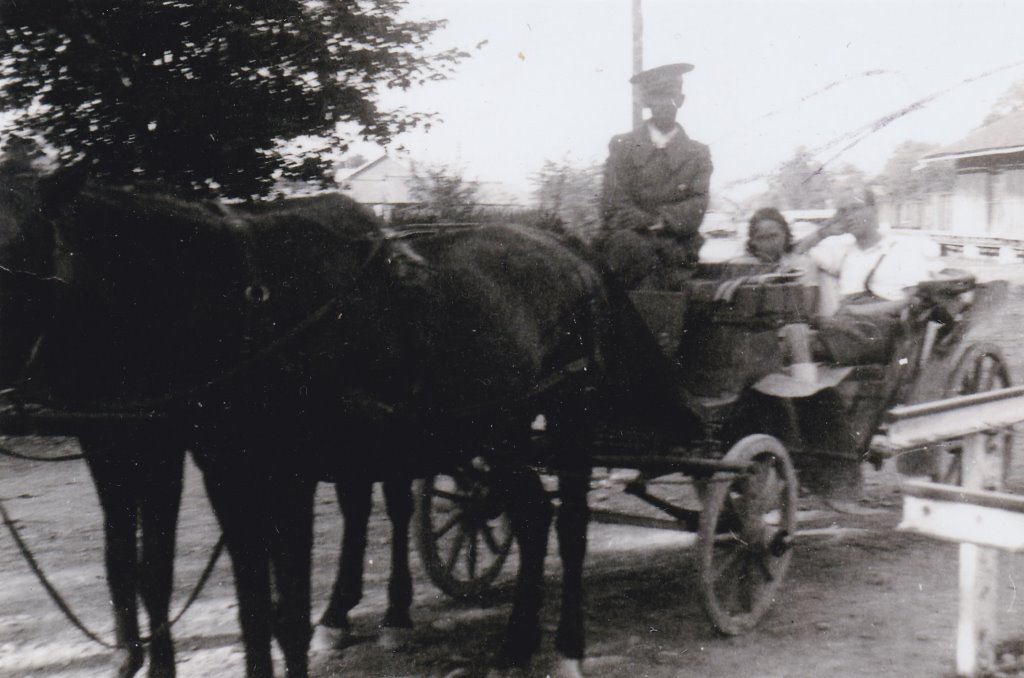
Edwin Richard Gold and Ria Meerbaum in Czernowitz in 1939

Dow Friedman: “Photo in the Horetchawald – Isiu Engler, husband of Mania (Maria) (neé Kuperman) eldest sister, my mother, Genia , Dow and my father, Itzik.”
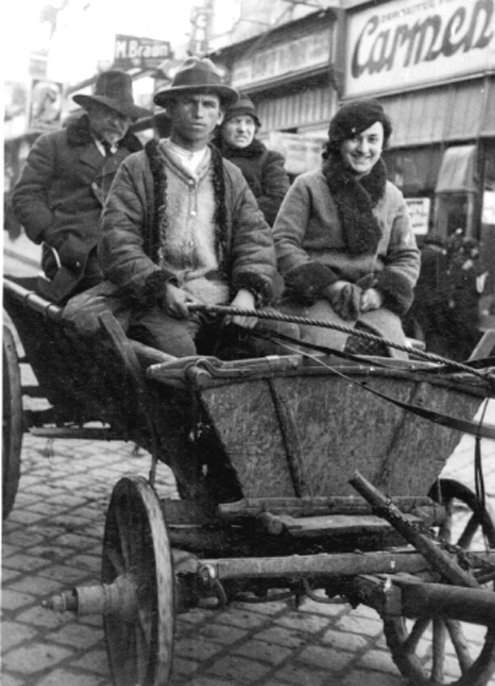
Mimi Taylor: “‘Shopping’ from either 1935 or 1936. In the front is Frieda Jagendorf, in the back are my maternal grandparents Saul-Leib and Scheindel Steinmetz.”
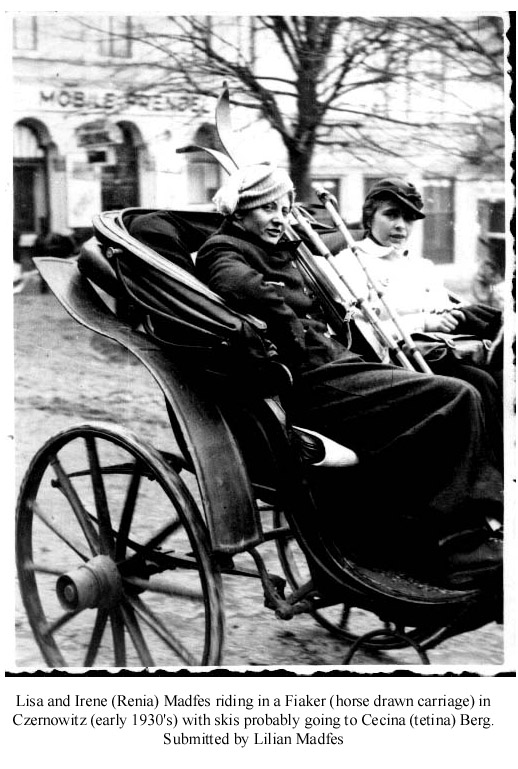

Yosef Eshet: “Coachman Mishu, myself near him, Kurt Marcus (perished on the “Struma”) behind me, Ermin Reichmann (passed away in Vienna some years ago) behind Mishu. Not seen, are Bobbi and Liza the pair harnessed to the coach, in 1940, just before the Soviets occupied Czernowitz.”

Gaby Rinzler: “Here is an additional coach: me at 2 and my brother at 9.”
Cornel Fleming is trying to date this document… any ideas? Leave a comment.
(click to enlarge)


35 Jahre
Elektrizität in Cernauti
(Aus einem Gespräch mit dem Direktor Ing. Hildebrand)
Czernowitz feiert heute das 35-jährige Jubiläum der Einführung des elektrischen Lichtes und des Tramway-Verkehres in dieser Stadt.
Während das Gas für Beleuchtung und Heizzwecke in die Bukowina bis heute keinen Eingang gefunden hat, wurde elektrisches Licht schon in den neunziger Jahren in Czernowitz, allerdings nur vorübergehend, verwendet. Damals hat man bei einem Ball der akademischen Verbindung „Lesehalle“ im Musikvereinssaale für einen Abend eine Maschine aufgestellt, die durch ein Lokomobil angetrieben wurde und zum ersten Male elektrisches Licht aufleuchten ließ, was ungeheueres Aufsehen erregte. Kurze Zeit darauf installierte der damalige Pächter des „Hotel Central“, Silber, im Keller des Gebäudes ein Lokomobil mit einer elektrischen Lichtmaschine und beleuchtete damit die Hotelanlagen. Damit war der erste Schritt zur Benützung der Elektrizität für Beleuchtungszwecke in der Bukowina getan und das Interesse der Bevölkerung für diese Beleuchtungsart geweckt.
Im Jahre 1895 hat die Stadtgemeinde Czernowitz sich entschlossen, ein Werk für Beleuchtungszwecke zu errichten, wobei längere Zeit darüber verhandelt wurde, ob Gas oder Elektrizität zu diesem Zwecke einzuführen wären. Im Bestreben, mit dem Fortschritt zu gehen, entschloß man sich schließlich für die Errichtung eines Elektrizitätswerkes. Der Betrieb für Licht- und Kraftzwecke wurde im Jahre 1896, der Betrieb der Straßenbahn am 1. August 1897 aufgenommen.
Durch die Schaffung des Elektrizitätswerkes und der Straßenbahn tat die Stadt Czernowitz einen großen Schritt nach vorwärts und wurde dem Westen nicht nur näher gebracht, sondern konnte diesem zum Teile als Vorbild gelten, da Mitte der neunziger Jahre nicht viele Städte des Westens Elektrizitätswerke und nur wenige Städte Europas elektrische Straßenbahnen besaßen. Allerdings hatten die Weststädte damals bereits Gaswerke und empfanden den Mangel an elektrischem Licht nicht im gleichen Umfange wie bisher Czernowitz. Den Vorrang hatte damals Czernowitz sogar der damaligen Reichshauptstadt Wien gegenüber, da selbst diese sich für die Straßenbeleuchtung des Gasflügelbrenners (das Auerlicht war noch nicht erfunden) und der Pferdetramway, sowie des Pferdeomnibusses bediente. Aehnlich stand es in jenen Zeiten auch in Berlin.
In den Anfängen des Betriebes des Elektrizitätswerkes und der Straßenbahn hatte dieses Unternehmen mit materiellen Schwierigkeiten zu kämpfen, da die Bevölkerung in der ersten Zeit den Wert und die Wohltaten des elektrischen Lichtes noch nicht erfassen konnte, ja in einigen Fällen sogar diesem „Teufelswerk“ feindselig und ablehnend gegenüberstand.
Die ersten Gebäude, welche in Czernowitz das elektrische Licht einführten, waren das „Hotel Central“, Hotel „Schwarzer Adler“ und der Stadtmagistrat. Für die Straßenbeleuchtung wurde das elektrische Licht nur im Stadtzentrum eingeführt, während die Peripherie der Stadt sich noch immer mit den tieftraurig brennenden Lampen auf rotweißgestrichenen Holzpfählen begnügen mußte. Doch auch für die elektrische Straßenbeleuchtung wurde nahezu bis in die letzten Jahre der Vorkriegszeit nur in den Hauptstraßen der innersten Stadt Bogenlampen benützt, während die übrigen Straßen sich mit Glühlampen begnügen mußten. Erst allmählich erkannte die Bevölkerung die Vorteile des elektrischen Lichtes, sodaß schon im Jahre 1901 die Elektrizitätswerksanlage um einen neuen Maschinensatz erweitert werden mußte.
Die elektrische Straßenbahn, von der bei Betriebserrichtung und in der ersten Betriebszeit sich insbesondere die untersten Schichten der Bevölkerung ziemlich fern hielten, (weil sie nicht erfassen konnten, wie es möglich war, daß die großmächtigen Wagen ohne Pferdevorspann durch die Straßen rollen und mancher geneigt war, zu glauben, daß der böse Geist mit im Spiele wäre, da die Wagendeichsel sich auf dem Dache befand und die Räder an den Schienen infolge der Besandung der neuerbauten Strecke langmächtige Feuergarben zogen), litt anfangs an Defizit. Schon nach kurzer Zeit jedoch kam die Bevölkerung zur Ueberzeugung, daß behufs Zeitersparnis und der Möglichkeit, um billiges Geld und besonders den Bahnhofsberg zum Ringplatz leicht hinaufzukommen, die Benützung der Straßenbahn von Vorteil sei. Dadurch erhöhte sich die Frequenz der Straßenbahn, sodaß schon im Jahre 1899 der Wagenpark um vier neue Straßenbahnwagen auf 12 erhöht wurde.
Der Fortschritt der Technik brachte um das Jahr 1900 den Dieselmotor, so daß auch unser hiesiges Elektrizitätswerk im Jahre 1903 einen Dieselmotor zwecks weiterer Vermehrung der Leistung zur Aufstellung brachte. Hiebei ist es besonders bemerkenswert, daß wieder Czernowitz dadurch bahnbrechend wirkte, daß der erste 250 P. S. Dieselmotor hier zur Aufstellung gelangte.
Allmählich wurde der Aktionsradius für die Versorgung mit Elektrizität erweitert, das Interesse der Bevölkerung erhöht und dadurch war die Notwendigkeit weiterer Ausbauten der Elektrizitätswerksanlagen erforderlich geworden. Da aber die Werkanlagen in der Althgasse nahe dem Abhang gegen den Klocucicabach errichtet wurde, weil die Universität bei Errichtung des Werkes Einspruch gegen den Bau desselben hinter den Universitätsinstituten erhoben hatte, war die Erweiterung dieser Werkanlagen im Rutschterrain nicht mehr möglich, sodaß man schließlich im Jahre 1911 an die Errichtung eines neuen modernen Hochspannungsdrehstrom-Werkes in der Pruthgasse schreiten mußte, welches am 27. April 1912 mit zwei Dieselaggregaten je 500 P. S. in Betrieb genommen wurde. Schon im Jahre 1913 wurde auch dieses neue Werk um ein neues Aggregat von 500 P. S. erweitert.
Auch der Wagenpark der Straßenbahn wurde in der Zwischenzeit vermehrt und die ursprünglich eingeleisig gebaute Bahnstraße durch eine Doppelgeleiseanlage zwischen Volksgarten und Pruthbrücke erweitert.
Im Jahre 1921 schritt die Gemeinde, welche schon im Jahre 1909 die im Besitze der Fa. Schuckert & Co. befindlich gewesenen Aktien ganz übernommen hatte und Alleinbesitzerin des ganzen Gesellschaftsvermögens war, zur Auflösung der Aktiengesellschaft und Kommunalisierung der Werkanlagen. In diesem Jahre wurde auch das neue Werk um einen Doppelturbinenaggregat von 2000 P. S. von der Siemens Schuckert und der ersten Brünner Maschinenfabrik A. G., im Jahre 1931 um einen weiteren Turbinenmotor von 5000 P. S. von der Fa. Brown-Bowery erweitert. Auch der Wagenpark wurde inzwischen weiter vermehrt und beträgt 24 Motorwagen und zwei Aufladewagen. Durch die Aufstellung dieses 5000 P. S. Aggregates wurde ermöglicht, daß auch die Vorstädte in den Beleuchtungsrayon einbezogen wurden. M. L. (Der Tag, Czernowitz, 12.06.1932)

From David Rosner:
Dear Aunt and Uncle (Edy und Gaby Weissmann), dear fellow members of the
list,
As promised I come to you with a recently found photograph, which was deeply
dug into in my beloved father Charles ROSNER’s things – and to be more
precise in one of the more or less preserved cardboard suitcases that
belonged to my grandparents, and which remained all over the years.
As you can see it is about Edy Wagner’s class, I wonder if I read right :
“Zur Erinnerung von meiner III. Volksschulklasse im Juli 1920″…
But I may be wrong.
I hope you all like this as much as I did when I found it !… Unless you
maybe had it already.
Greetings from Normandy.
David.
David ROSNER,
Directeur Pièces, Service Après-Vente et Informatique, Groupe SAUSSEREAU.
Téléphone : +33.(0)6.74.32.20.15.
www.saussereau.com
[Click to enlarge — High resolution versions of these photos available from admin@ehpes.com]


Hi! Two pics….one Hebronia in Czernowitz and the 2nd at a reunion,I think
in Israel. My uncle Erich Neuberger is the tall one back row in the
Czernowitz photo [1st. photo]. Does anybody recognize others in either picture???
Cornel
[Click on photo to enlarge]


By way of Cornel Fleming
Hi all! Last night went to a meeting on Ukraine organized by World Jewish
Relief. One of the speakers(via Skype) was David Fishman,Professor of Jewish
History at the Jewish Theological Seminary ,New York…an expert on Ukraine.
We also had the Ukr. Ambassador. The election results…Svoboda wiped out.
Jews currently appreciated..many were prominent on the Maidan,some who went
to Israel and have served in the IDF have returned to fight, the Bishop of
Dnepropetrovsk came to the Jewish Community centre for a visit,the Deputy
Prime Minister is a guy by the name of Groysman…a very upbeat
presentation!

Read the Article by David Fishman here:
http://forward.com/articles/200894/kiev-is-full-of-hope-yes-even-for-jews/
Trailer A Shtetl in the Caribbean from Memphis Film & Television on Vimeo.
A SHTETL IN THE CARIBBEAN tells the compelling story of two childhood friends who grew up on Curaçao, in search for their family history in Eastern Europe.
Mark and Tsale, children of Eastern European Jews that fled to Curaçao, travel back to the home countries of their ancestors. In a documentary road-movie across Curaçao, the United States, Belarus, Ukraine and Israel, we witness their discoveries, courage and despair while they are reminded of the sacrifices their parents had to make to provide their family with a better future.
This unknown story is revealed in a journey from the desolate wastelands of Eastern Europe to the exotic Caribbean, a contrast metaphoric for the history of Mark and Tsale’s ancestors.
A SHTETL IN THE CARIBBEAN originated from a strong emotion: we are all part of the same family, no matter how different we are. The film is also an homage to Curaçao, a small island with a big heart, and a place that has been a safe haven for strangers. Only in such a place a human being can truly build a home.

BIOGRAPHY MARK WIZNITZER
Named after his two deceased grandfathers per Jewish tradition, Mark Leon Wiznitzer was born in the US and brought to Curacao as a baby. There he was called “ Buchi, ” a popular island nickname that legend dates back to the strongest African slave broken by the loss of his beloved wife, and is still often given to a native first son. In Willemstad, Mark attended the Dutch-language Hendrikschool before he moved to New York City at the age of eleven with his mother. But he returned to spend all his school vacations on Curacao, where he worked with his father in La Confianza, the family-owned department store. After studying political science at the State University of NY in Buffalo, Mark went on to complete a Masters in Foreign Service at Georgetown University. He worked in Curacao for Wiznitzer Brothers, the family’s retail and wholesale business, for a year before he was selected to join the US Department of State as a career diplomat in 1976, at which time he left Curacao for good. During his various assignments in Washington DC, Latin America and Europe, he earned awards for his performance in political and politico-military affairs, and strategic trade. After retiring in 1999, Mark completed an Executive MBA in Vienna. He was a volunteer for Barak Obama’s campaigns for the Democratic nomination and election as President. As a result of his first visit in 2010 to Vashkivtsi, Ukraine, the birthplace of the four Wiznitzer brothers, he organized his family’s restoration of the neglected Jewish cemetery there. He currently lives with his wife, Paula Goddard, in Virginia, where he recently became a volunteer advocate for senior residents of Arlington County.
BIOGRAPHY TSALE KIRZNER
Tsale Kirzner was born on Curaçao as the oldest son of Socher Kirzner and Fania Shusterman, refugees who built a home on the Caribbean island in 1948. He was named after his grandfather from his mothers side, Bezalel, who was killed by a firing squad in Mikasjevits in Belarus, as a warning to the Jewish people living in the town. Tsale went to the Hendrikschool and the Radulphus College on Curaçao, after which he moved to the US to study Sinology at Harvard University and economics at The George Washington University, graduating cum laude. Since 1974 Tsale lives in The Netherlands. Tsale is married to professor Lorraine Uhlaner and is father to five children.
Read more at: http://www.memphisfilmtv.com/een-sjtetl-in-de-cariben/?lang=en
From Shelley Mitchell
I want to share an interesting experience with you. I was looking at the headstones uncovered by the ASF camps. My grandfather’s name was Moldauer. One of the headstones uncovered was that of a Berta Moldauer. I tried to find out more about her but I couldn’t. I don’t think she was in any of the databases. So I continued my long-term search for my Moldauers and I came across this passport application for her son in Brazil. It shows that Berta was married to Wilhelm and their son was named Jakob. While this information did not help me personally, it can now be added to the information we already have about those who lived in Czernowitz. Without the work of the volunteers, Berta would still be an unknown. Hopefully, her grandchildren will look for her someday.
Shelley

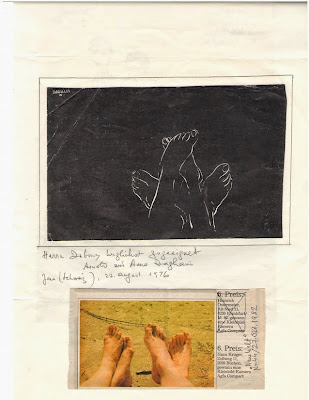
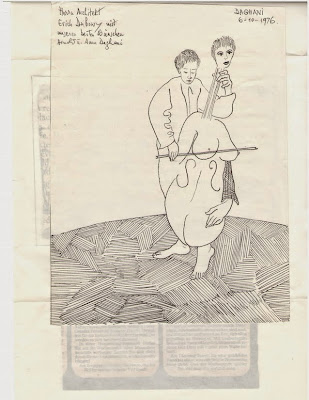
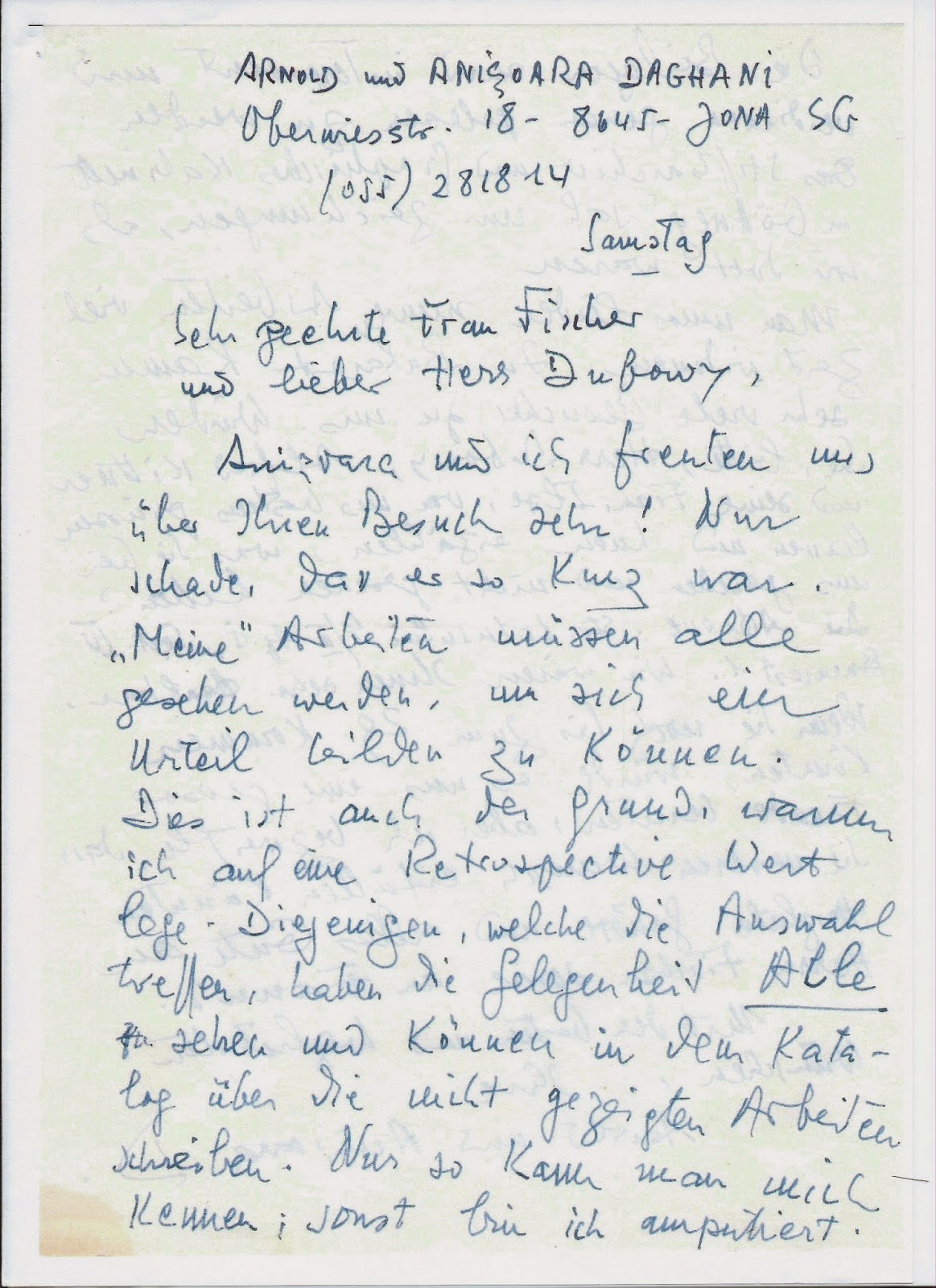


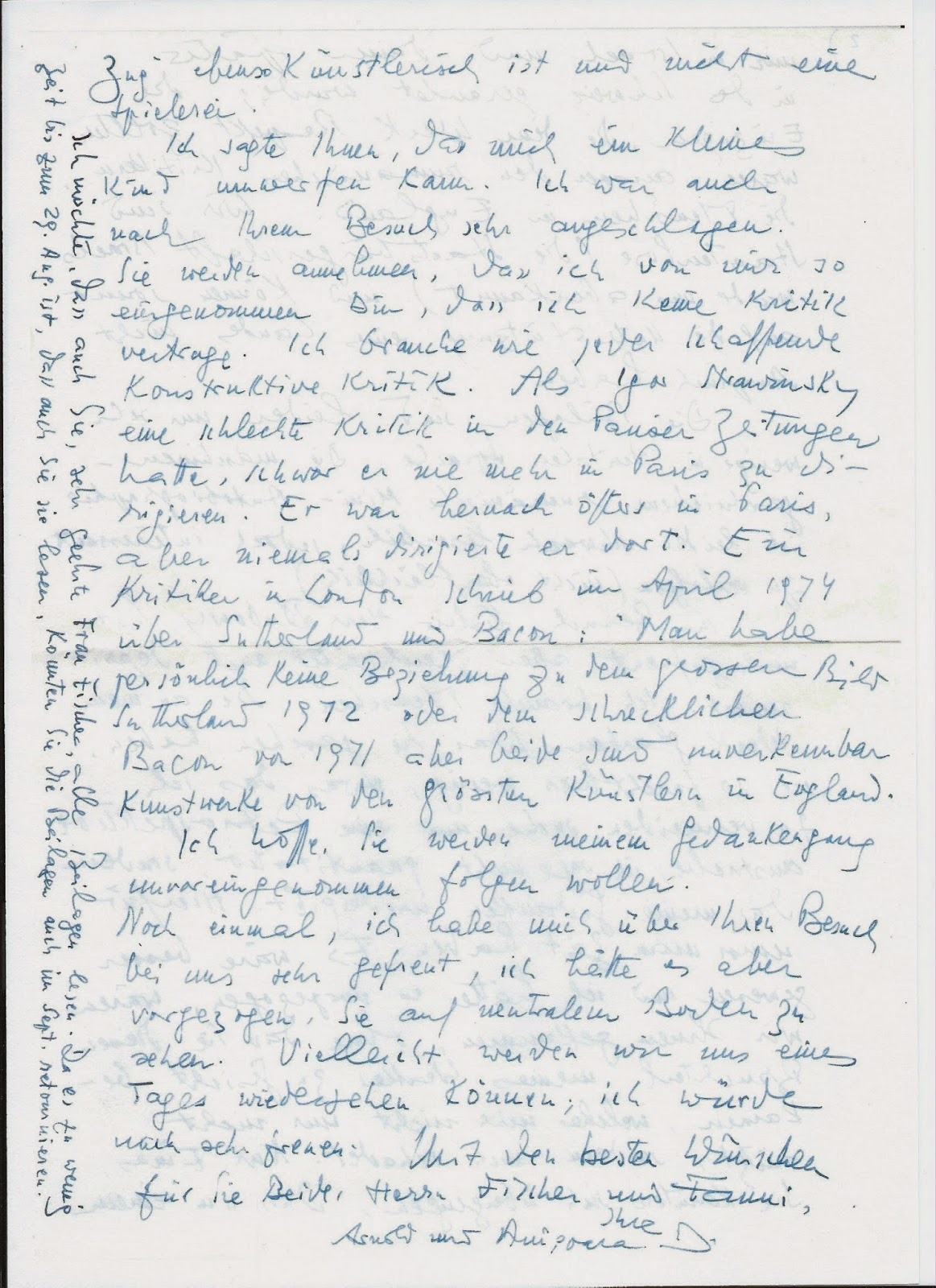
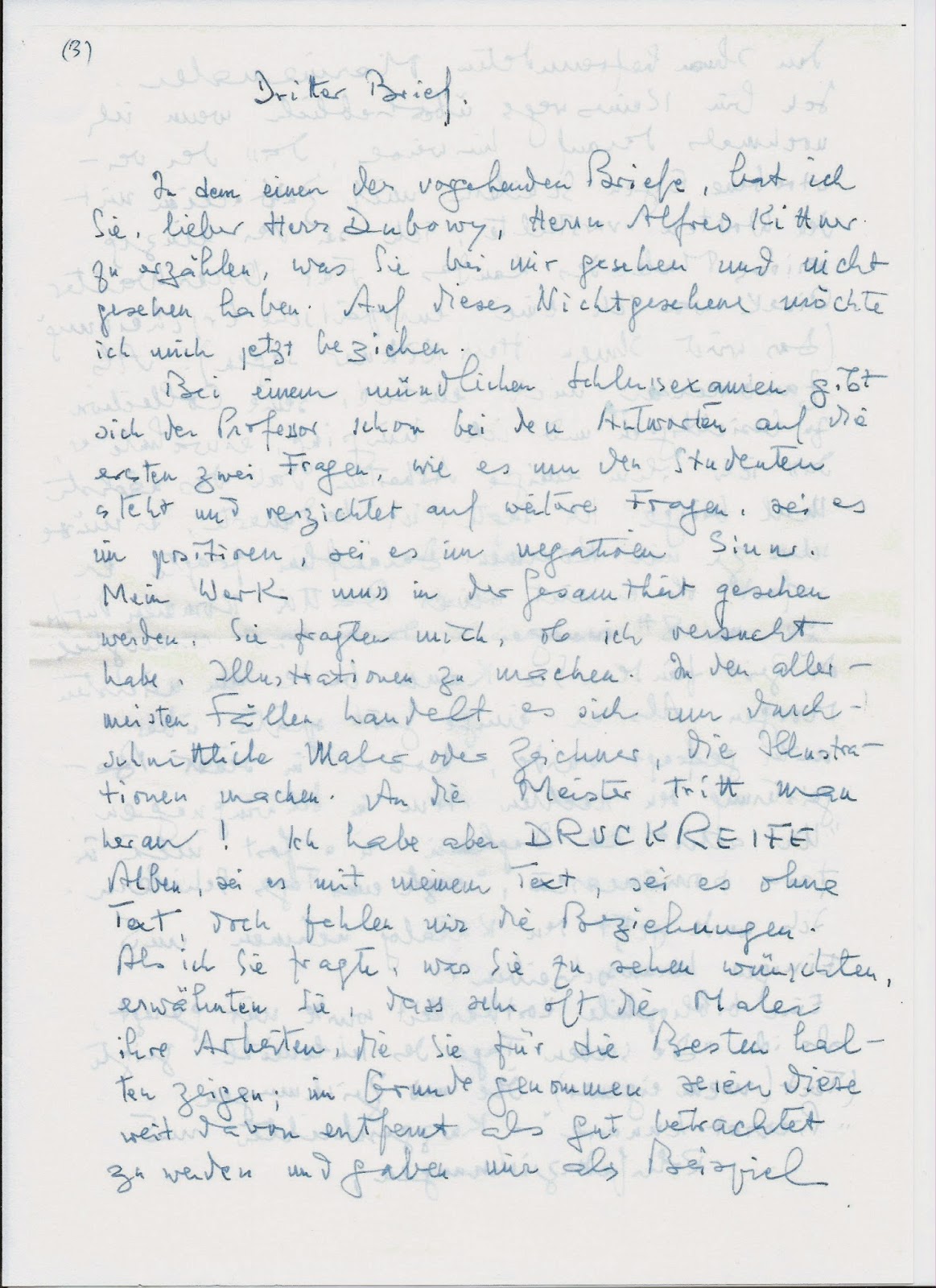

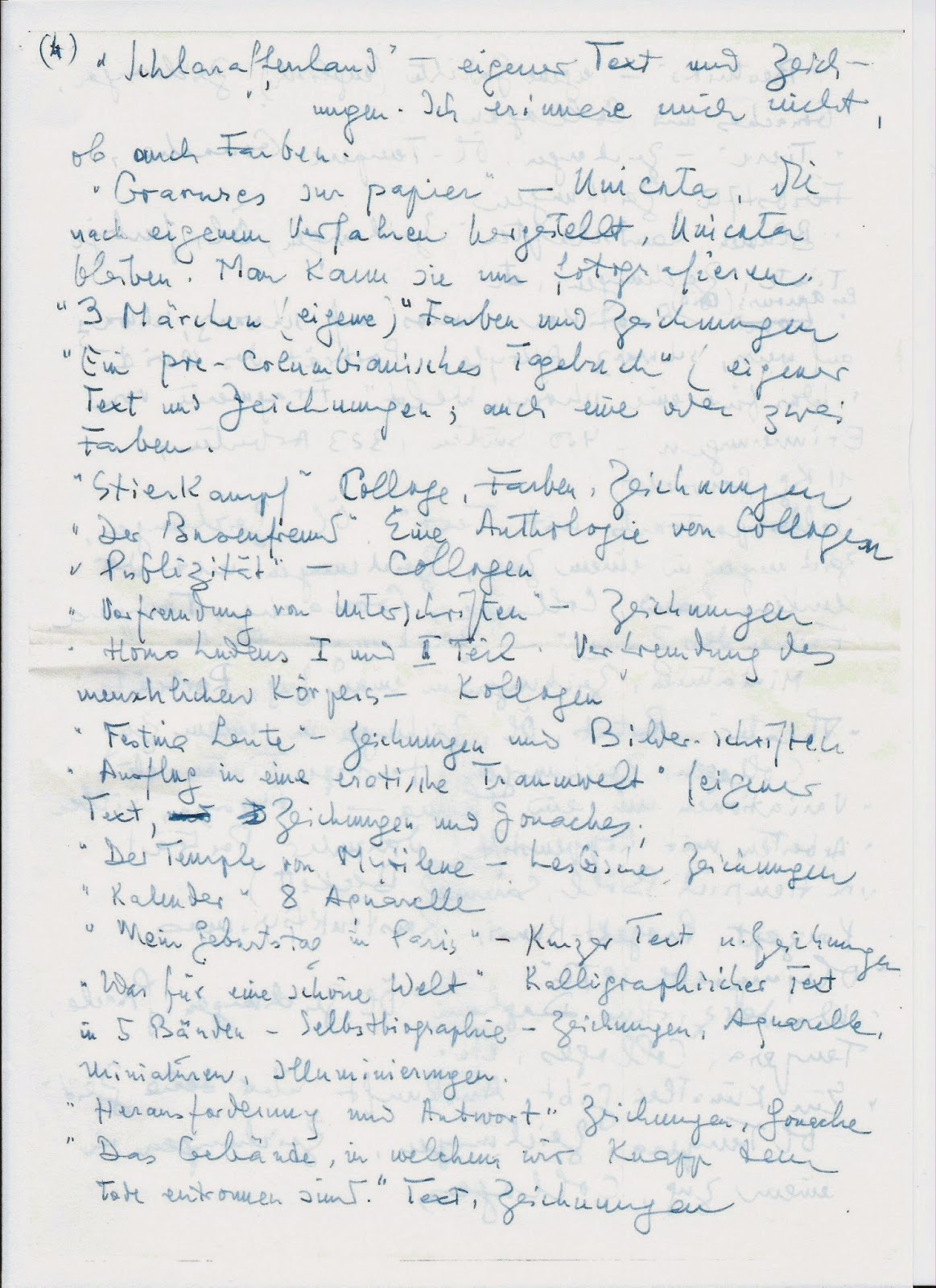


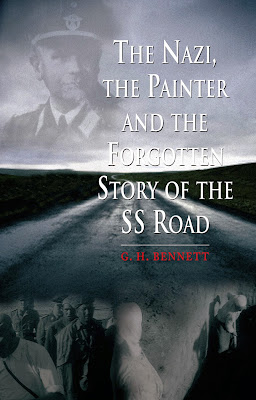
Well, the “Nazi” was Walter Gieseke, Oberstleutnant of the Gendarmerie and SS, the “Painter” was Arnold Daghani and the DG IV (Durchgangsstraße IV) was the “SS Road”, the road building project across the Ukraine which resulted in the murder of substantial numbers of Jewish forced labourers, among those many from Bukovina.
At my previous posting “The Stone Quarry on the Bug River at 8 Miles from N 48°40′ E 29°15′” you’ll find additional reports on the fate of the Jewish forced labourers including excerpts from Andrej Angrick’s article “Forced Labor along the ‘Straße der SS'” and Gerhard (Bobby) Schreiber’s memoirs “A Tale of Survival”. After getting numerous answers to our initial question, the final question concerns the moral condemnation and criminal conviction of the war criminals, but read by yourself G. H. Bennett’s conclusion:
“Gieseke was never brought to trial and Daghani would eventually conclude that the West German investigations into the crimes committed along DGIV were ‘merely a farce, a meaningless gesture’. […] The investigation of Walter Gieseke highlights the problems in the 1950s and 1960s of securing justice for crimes committed during the war. The processes of investigating and prosecuting of German war criminals in the context of West German justice in the 1950s and 1960s were not likely to result in a conviction. Gieseke’s defensive strategies maximized the problems facing investigators which resulted from the set of legal, political, social and investigative contexts that made a trial difficult and, in the eyes of many West Germans, unwanted and unwarranted. […] In the case of Walter Gieseke can be glimpsed many of thecomplexiti es that protected the guilty men and women of post-war Germany. Moreover, study of this case hopefully demonstrates the need to discount concerns about ‘practitioners’ trespassing onto the territory of historians. In studying post-war German justice, and indeed most aspects of legal history, there is ample scope for practitioners and historians to pool their skills and approaches to the mutual benefit of truly interdisciplinary scholarship.There is much to be learned from each other and little to be feared.
Additional Links:
“SS film links officer with war crimes” by BBC
“Lost film unearthed in Devon church…” by Daily Mail
“Arnold Daghani. Who is he?” by Miha Ahronovitz
“The Art of Arnold Daghani” by The Art of Polemics
