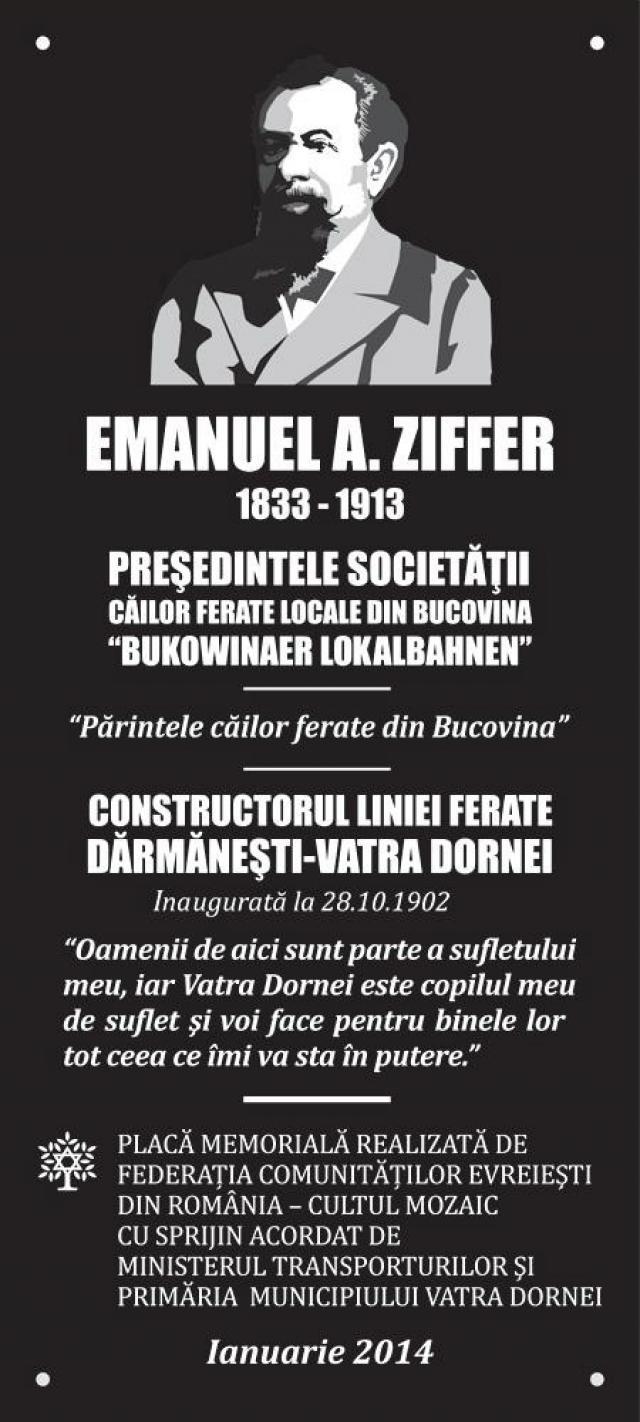
Commemorative Plaque for Emanuel A. Ziffer, “Father of the Bukovinian Railroad System”

322955maxim

Links:
http://hauster.blogspot.de/2013/10/the-honorary-citizen-of-czernowitz-from.html
http://www.vatradorneilive.ro/search/label/Stiri%20Vatra%20Dornei
http://www.monitorulsv.ro/Local/2014-01-22/Parintele-Cailor-Ferate-din-Bucovina-onorat-la-Vatra-Dornei
http://ehpes.com/blog1/2013/12/16/emanuel-a-ziffer-the-forgotten-honorary-citizen-of-czernowitz/
http://de.scribd.com/doc/180469996/Ziffer-parintele-cailor-ferate-din-BUKOWINA-pdf
http://ehpes.com/blog1/2012/11/03/iron-railway-fueled-by-gunpowder/
http://hauster.blogspot.de/2012/06/end-of-route-diversion-in-vatra-dornei.html

IMG_2840DSCF6257P1100156

In due consideration of their engagement related to the acknowledgement of Emanuel Alois Ziffer’s role as the “Father of the Bukovinian Railroad System”, the Federation of Jewish Communities of Romania decorated Paul Brașcanu and Ilie Boncheș, the mayor of Vatra Dornei, by the Medal for Friends of Jewish Communities of Romania.

Link:
http://www.monitorulsv.ro/Local/2014-01-27/Doi-dorneni-au-primit-medalia-Prieten-al-Comunitatilor-Evreiesti-din-Romania

Where has Schiller gone?

From Marion Tauschwitz

Visiting Czernowitz in September 2013 our guide took us the granite base of the former Schiller-monument that had used to stand in front of the theatre before young romanian nationalists carried it away in 1920. Schiller has not been found again – but the base was taken to the small park in (former) Maria-Theresiengasse (behind “Deutsches Haus”) – where it still is. Nobody seems to care.

Schillercanvas Kopie

Unveiling of the Schiller Monument and its reception in the contemporary press:

FriedrichSchiller

“Die Gartenlaube”, Nr. 27, 1907: “Das Schiller-Denkmal in Czernowitz. (Zu der untenstehenden Abbildung.) Es ist ein erfreuliches Zeichen für die noch heute unverminderte Wertschätzung des Deutschesten unserer Dichter, daß in der gemischtsprachigen Stadt Czernowitz in der Bukowina der 150. Geburtstag Schillers am 10. November v. J. durch die Enthüllung eines Schillerdenkmals gefeiert worden ist. Der Schöpfer des Denkmals, dessen Ausführung auf den Antrag Dr. Anton Norsts hin vom Gemeinderat einstimmig beschlossen wurde, ist der Bildhauer Georg Leisek, der auch den schönen, figurenreichen Fries des Wiener Zentralfriedhofs ‘Eingang in die Ewigkeit’ geschaffen hat. Das Denkmal selbst, aus karrarischem Marmor gehauen, steht in einer Brunnenanlage vor dem Stadttheater und zeigt den Dichterfürsten auf hohem Sockel stehend, schlicht und hoheitsvoll zugleich.

Die Enthüllung des Schillerdenkmals by Bukowinaer Post, November 12, 1907.

Die Enthüllung des Schillerdenkmals by Czernowitzer Allgemeine Zeitung, November 12, 1907.

The Schiller Monument had been standing in front of the city theater since 1907, but later it did not fit into the Romanian national policy on Bukovina, and due to the decree of the 8th Infantry Division commander – general Zadik, the monument was displaced in 1922 into a closed courtyard of the German house, and after the Second World War the figure of the poet was  destroyed and only the pedestal remains.

From Bukovina via Mechelen/Belgium to Auschwitz • 1942-1944

As a result of the meticulous and thorough research of the Kazerne Dossin Memorial, Museum and Documentation Centre on Holocaust and Human Rights, Mecheln-Auschwitz 1942-1944 is a trilingual series (Dutch, French and English) of four books dealing with the persecution and deportation of Jews and gypsies from the SS-Sammellager in the Dossin Barracks in Mechelen to Auschwitz. Only a few miles away fom the SS Camp Fort Breendonk, the Dossin Barracks were used from 1942 until 1944 as a transit camp for Jews and gypsies from Belgium and the North of France, assembled here to set out on their journey of no return to Auschwitz. The first part of the series presents the reader with a historical overview of the racist and anti-Semitic persecutions in Belgium and the North of France. It focuses on the complex and poignant story of the action, reaction and interaction between occupier, occupied and persecuted, confronted with the final solution. It also relates the history of each individual transport.


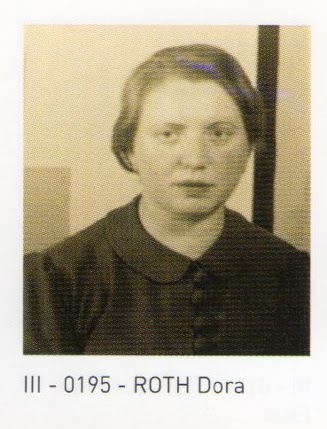
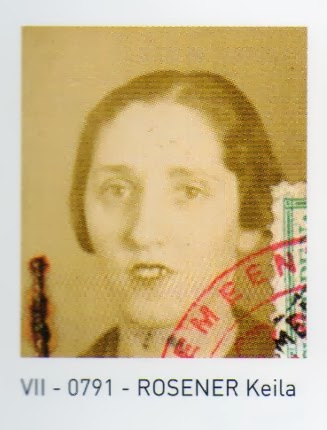
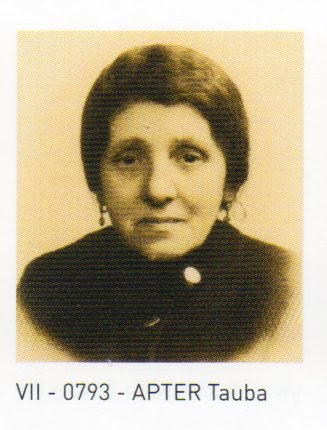
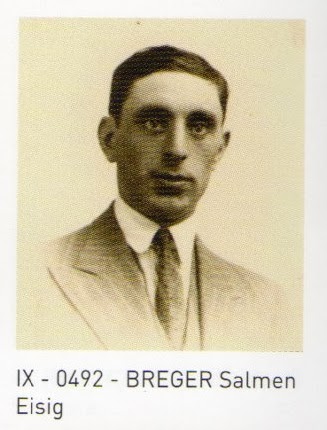
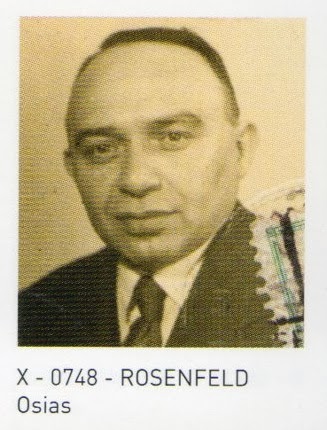
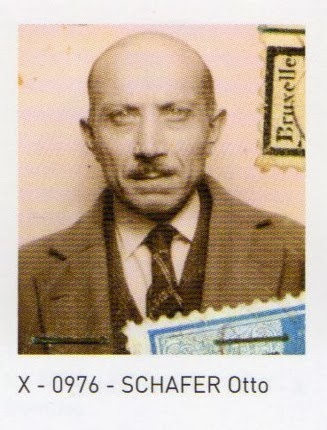
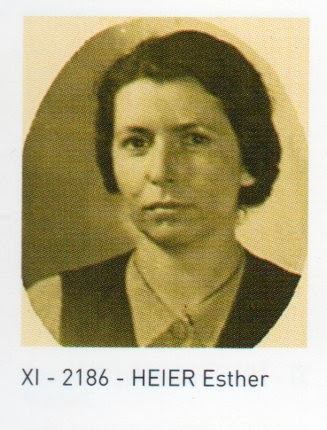
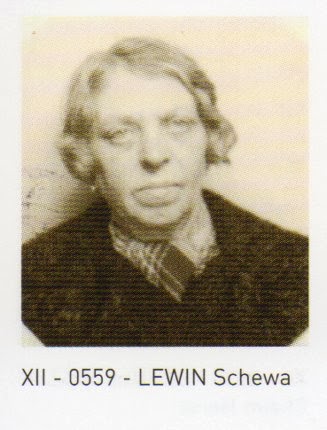
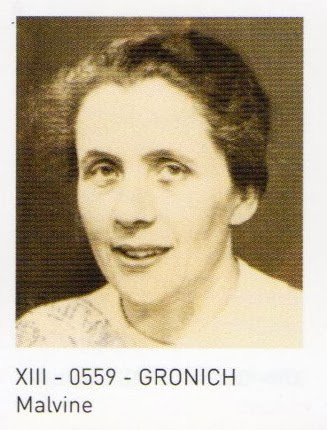
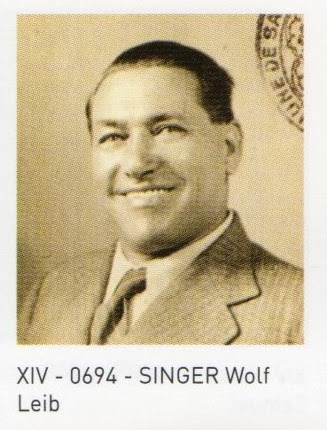
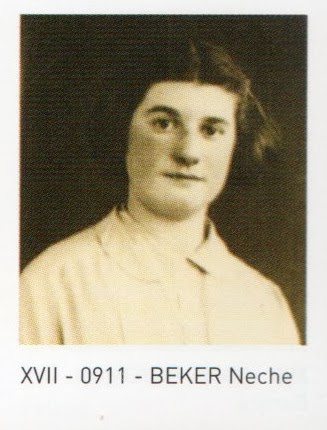
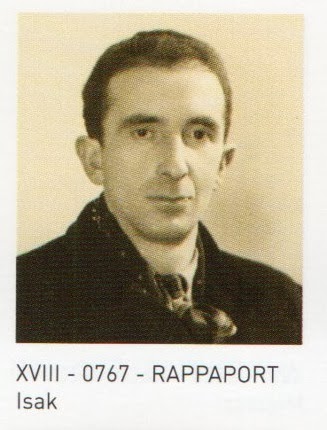
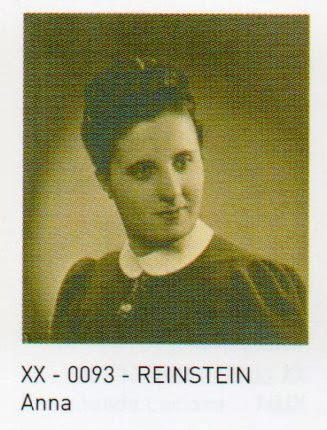
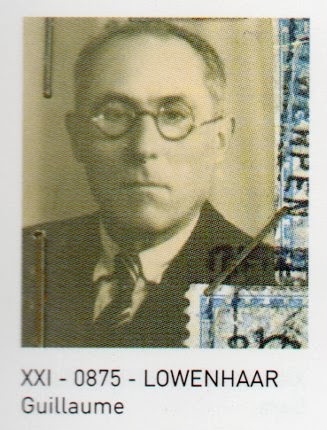
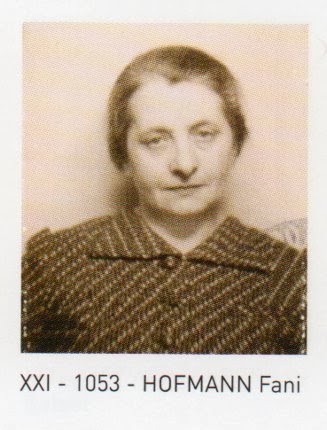
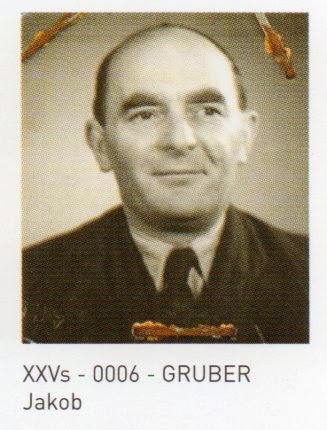
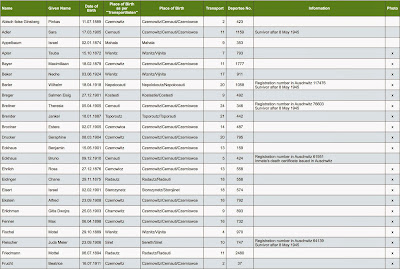
Parts two and three show us the portraits of 18,522 out of 25,259 deportees, wagon by wagon and transport by transport. These pictures literally give the genocide a face. Among these portraits we succeeded to identify 97 out of 104 deportees, who had their roots in Bukovina. Leon Messing, born on 12 June 1927 in Czernowitz, was 15 years old and the youngest deportee from Bukovina on the date of departure of Transport 10 on 15 December 1942. The oldest deportee from Bukovina was Abraham Moses Reder, born on 17 August 1866 in Czernowitz, i. e. he was 76 years old on the date of deportation on Transport 11 of 26 September 1942. Just like my uncle Maximilian Hauster, born on 26 November 1909 in Czernowitz, deported with Transport 19 of 14 January 1943, neither would return in 1945.

Part four contains the revised and corrected alphabetical list of names of the victims, together with biographical information about their personal fate. We have excerpted from this database those 104 deportees, who originated from Bukovina and compiled a listing in alphabetical order, which is available for download as PDF file by clicking just here or on the picture below.

http://hauster.de/data/Mecheln.pdf

Only two women and two men out of 104 deportees survived after 8 May 1945: Sara Adler and Theresia Breitner from Czernowitz, Wilhelm Berler from Nepolokoutz and Juda Meier Fleischer from Siret. 96,2% of the people originated from Bukovina deported on these in total 28 Transports were wiped out.

The documentary Transport XX to Auschwitz by Karen Lynne, Richard Bloom and Michel van der Burg is illustrating the inhuman and unimaginable suffering of the Jews and gypsies from Belgium during the Holocaust.
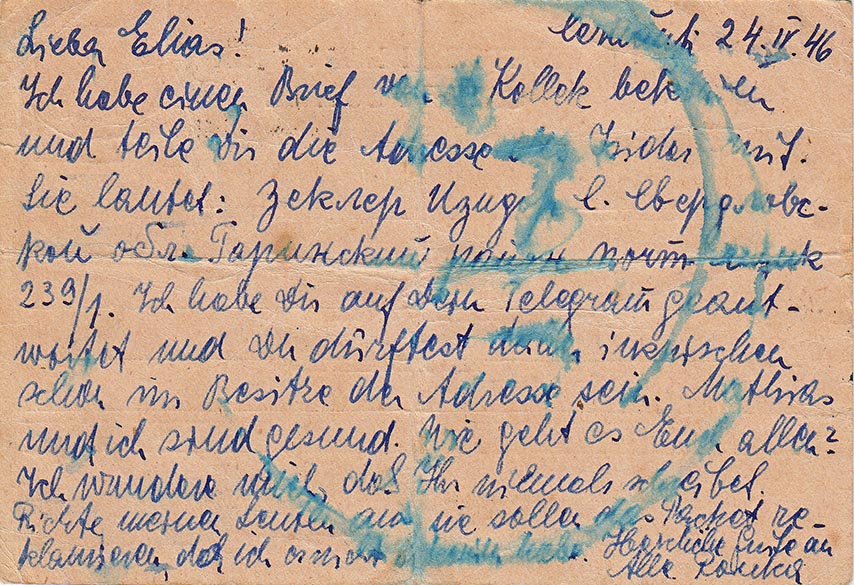
April 24, 1946: Postcard from Czernowitz (U.S.S.R.) to Tel Aviv (Palestine)

Zw1Zw2This correspondence between notable Czernowitzers is brought to you by courtesy of Peter Elbau. As sender we discover Rahel Zwilling, the mother of Matthias Zwilling [Herr Zwilling und Frau Zuckermann by Volker Koepp], and the addressee is Dr. Elias Weinstein, the founder of “Die Stimme” and the author of “The Elias Weinstein Petition”.